Pauline Hanson Flies to Britain to Meet Tommy Robinson – And Nothing Goes as Planned Australian journalist Liam Bartlett thought he was just documenting a migration debate. u1

The British Crossing: Inside Pauline Hanson’s Fiery UK Tour, the Tommy Robinson Confrontation, and the Normalization of Populist Extremism
During an international fact-finding trip across the United Kingdom, veteran Australian politician and One Nation leader Senator Pauline Hanson found herself at the center of an intense political firestorm. What began as an effort to observe Britain’s escalating debates over immigration, integration, and demographic change rapidly descended into a fiercely contested national media spectacle following her decision to meet with controversial British activist Stephen Yaxley-Lennon, widely known by his pseudonym, Tommy Robinson.
The encounter—captured and challenged by veteran Australian investigative journalist Liam Bartlett as part of a television broadcast special for Seven Network’s Spotlight—opened up fundamental questions regarding the boundaries of political engagement, the ethics of associating with convicted activists, and the political strategy driving modern populist movements.
The British Meetings: From Reform UK to the Streets of Luton
Hanson traveled to the UK to examine how rapid migration and demographic shifts have impacted local communities, drawing comparisons to Australia’s own ongoing immigration debate. Among her primary political engagements was a meeting with Reform UK Member of Parliament Rupert Lowe.
In his discussions with Hanson, Lowe framed immigration as the defining issue of modern British political life, arguing that the country’s historic “high-trust” civic culture had been eroded by rapid demographic expansion. Lowe raised concerns over the handling of historic grooming-gang cases across British towns, asserting that authorities had repeatedly failed to confront systemic issues due to political correctness. Hanson echoed these anxieties, stating that her trip was motivated by a desire to prevent Australia from experiencing similar social pressures.
During the interview, Bartlett challenged Lowe on his repeated use of the term “Anglo-Saxon” to describe British heritage, questioning whether such language carried exclusionary or white-supremacist undertones. Lowe forcefully rejected the characterization, maintaining that his reference was to cultural and constitutional traditions rather than racial supremacy, and arguing that citizens should be permitted to discuss national heritage without being reflexively labeled as extremists.
The Walking Tour with Tommy Robinson
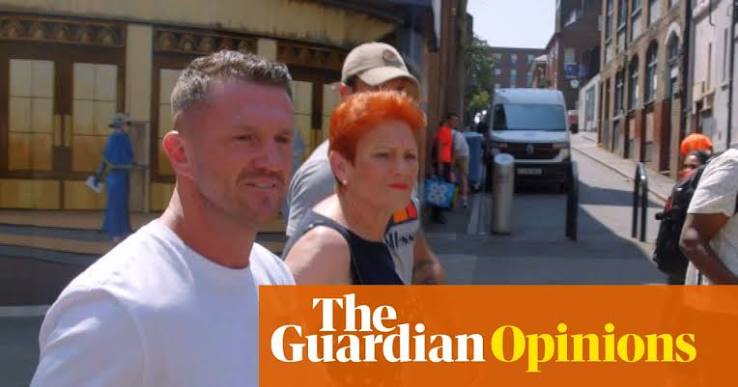
The most contentious chapter of Hanson’s itinerary unfolded when she met Tommy Robinson, a foundational figure in Britain’s anti-Islamic and anti-immigration movement who co-founded the English Defence League (EDL). Robinson welcomed Hanson, praising her as a long-standing figure in Australian national identity debates.
Robinson hosted Hanson on a walking tour through his hometown of Luton, located 50 kilometers north of London. Walking through streets with visible Muslim populations and prominent local mosques, Robinson argued that Luton served as an explicit example of rapid demographic transformation. Hanson voiced visible astonishment at the cultural landscape, commenting on camera that she was “gobsmacked” by the demographic changes and stating that she did not want Australia to mirror those conditions.
During their exchange, Hanson reflected on Australia’s political history, asserting that the formal dismantling of the White Australia policy in the 1970s marked a turning point that sparked the country’s contemporary immigration challenges. She advocated for stricter migration controls, specifically targeting nations where she argued radical ideologies posed security risks to Western democracies.
The Interrogation: Criminal Records and Character Grounds
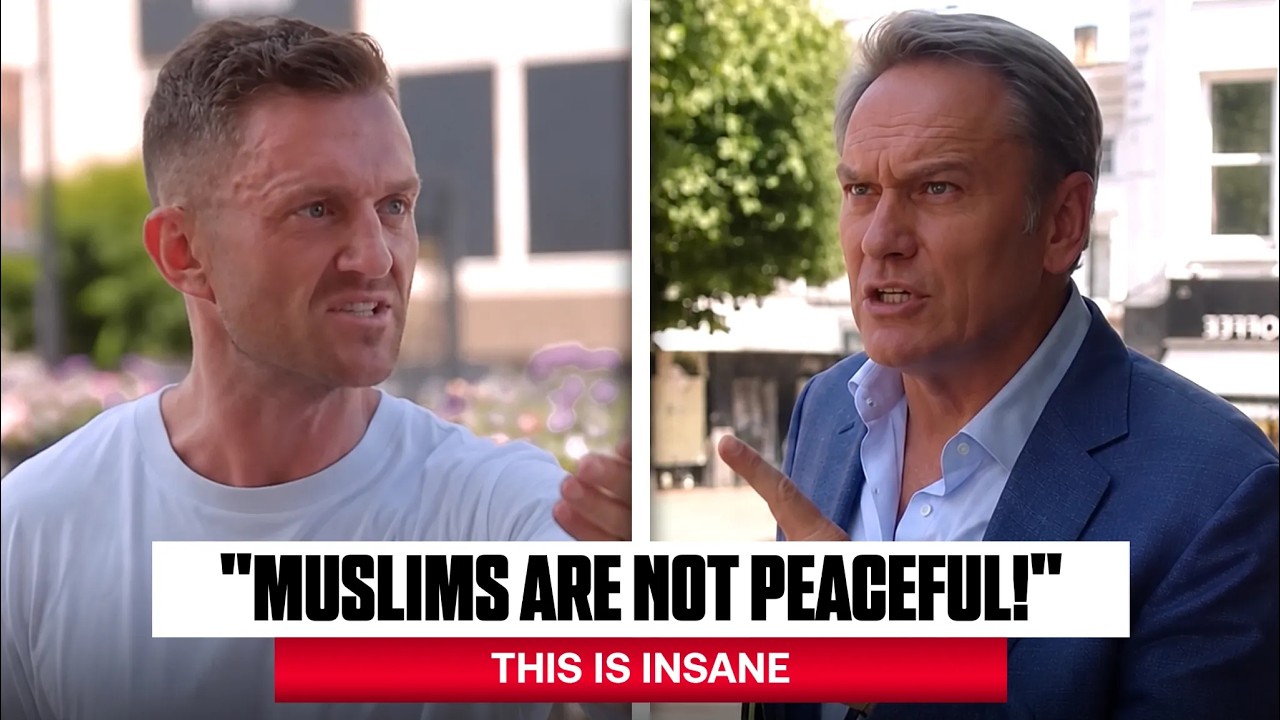
The tone of the trip shifted dramatically when reporter Liam Bartlett confronted both Robinson and Hanson over Robinson’s extensive criminal history.
Bartlett pressed Robinson directly on his past legal convictions, which include offenses for violent disorder, assault on an off-duty police officer, mortgage fraud, and stalking. Robinson brushed aside the questioning, accusing the “fake news media” of focusing on his personal flaws rather than the societal issues he champions. While acknowledging his convictions—including time served in prison—Robinson argued that the assault incident began as an attack against him and that he had merely exceeded the legal bounds of self-defense. He maintained that growing segments of the public were willing to look past his legal record to support his political message.
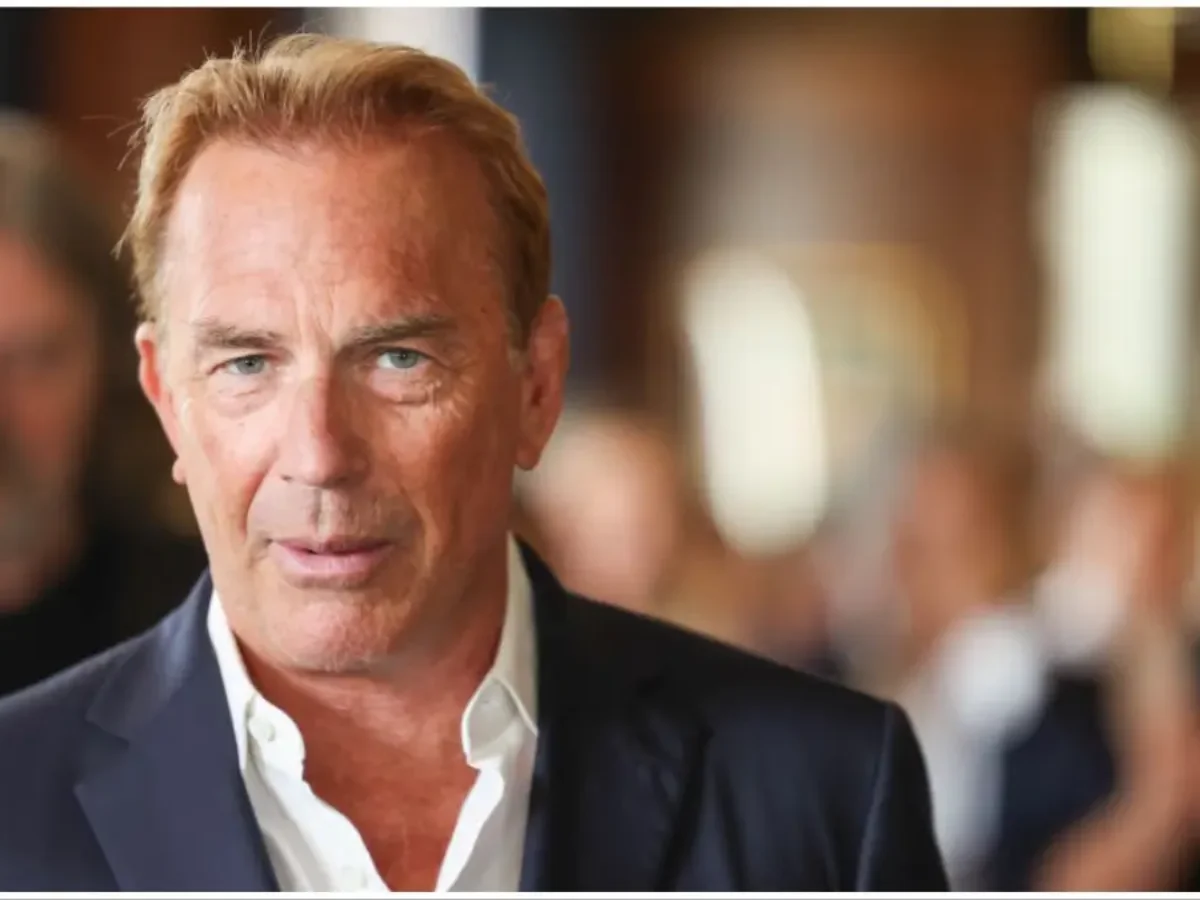
Bartlett then turned his line of questioning to Hanson, interrogating the Senator on why a politician who built her reputation on law, order, and Australian values would choose to associate with a multi-convicted activist.
┌─────────────────────────────────────────────────────────────────────────────────┐
│                    THE BARTLETT-HANSON EXCHANGE AT A GLANCE                     │
│                                                                                 │
│   BARLETT'S LINE OF QUESTIONING          │   HANSON'S DEFENSE                      │
│   ─────────────────────────────          │   ────────────────                    │
│   • Why meet a convicted criminal?       │   • Prefers direct firsthand assessment│
│   • Ignores law & order principles?      │   • Meeting someone isn't endorsing them│
│   • Unaware of Robinson's visa ban?      │   • Unmoved by visa refusal details   │
│   • Would she meet far-left figures?     │   • Refuses to apologize or backtrack  │
└─────────────────────────────────────────────────────────────────────────────────┘
When Bartlett revealed to Hanson that Robinson had previously attempted to enter Australia and was officially refused a visa on character grounds under Section 501 of the Migration Act, Hanson admitted she was unaware of the specific details. She expressed disappointment that Robinson had not disclosed the visa refusal during their conversation, but remained steadfast in her refusal to apologize for the meeting.
Hanson argued that politicians must be willing to hear from controversial figures directly rather than relying on media filter bubbles, declaring that engaging in a conversation does not equate to an endorsement of an individual’s past actions or entire ideology.
Having spent three decades covering global insurgent movements, parliamentary elections, and political street activism across Europe, North America, and Australia, I view the exchange between Pauline Hanson, Liam Bartlett, and Tommy Robinson as a masterclass in modern political strategy, media manipulation, and the weaponization of populist grievance.
What played out in front of the television cameras in Luton and London was not merely a clash over a politician’s travel itinerary. It was a visible manifestation of a structural shift occurring across Western democracies: the intentional blurring of the line between mainstream parliamentary conservatism and fringe street activism.
┌─────────────────────────────────────────────────────────────────────────────────┐
│                    THE STRATEGIC DYNAMICS OF POPULIST VALIDATION                │
│                                                                                 │
│  [Mainstream Populist MP] ──────────► [Fringe Street Activist]                   │
│   • Brings parliamentary authority      • Brings raw digital engagement         │
│   • Seeks "uncensored" credibility      • Seeks institutional legitimacy        │
│                                                                                 │
│  [Media Interrogation] ─────────────► [Base Mobilization]                       │
│   • Focuses on legal / moral records    • Reframes press scrutiny as "bias"     │
└─────────────────────────────────────────────────────────────────────────────────┘
The Symbiosis of Fringe and Mainstream
To understand why Pauline Hanson met with Tommy Robinson, one must look past the immediate legal controversy and examine the electoral mechanics of One Nation.
For thirty years, Hanson’s political brand has rested on a single, powerful narrative proposition: I am the only politician willing to say what you are thinking, regardless of what the political establishment tells you.
When a mainstream political figure aligns with a figure like Tommy Robinson, a transactional exchange occurs:
-
What Robinson Gains: Institutional legitimacy. Being filmed alongside a sitting Australian Senator transforms Robinson from a localized agitator with a criminal record into an internationally recognized commentator on Western civilization.
-
What Hanson Gains: Digital authenticity and anti-establishment credibility. By standing alongside a figure banned from major social platforms and rejected by mainstream media, Hanson signals to her core voters that she is entirely unawed by Westminster or Canberra etiquette.
This is why traditional media interrogations regarding criminal records often fail to dent populist appeal. To Hanson’s core base, Liam Bartlett’s relentless focus on Robinson’s fraud and assault convictions was not perceived as accountability journalism; it was viewed as the media establishment attempting to enforce ideological gatekeeping.
The “Anglo-Saxon” Language Trap and Cultural Anxiety
The exchange between Bartlett and Reform UK MP Rupert Lowe over the term “Anglo-Saxon” highlights the deep linguistic war being fought across Western politics.
┌─────────────────────────────────────────────────────────────────────────────────┐
│                      THE LANGUAGE WAR IN MIGRATION DEBATES                      │
│                                                                                 │
│   TERMS UTILIZED                 CRITICS' INTERPRETATION  DEFENDERS' INTENT     │
│   ──────────────                 ───────────────────────  ────────────────     │
│   • "Anglo-Saxon Heritage"        Exclusionary / Racial    Cultural & Legal     │
│   • "High-Trust Society"         Dog-whistle Nativism     Civic & Infrastructure│
│   • "Demographic Transformation" Alarmist / Conspiracy    Statistical Reality  │
└─────────────────────────────────────────────────────────────────────────────────┘
When Lowe spoke of preserving “Anglo-Saxon high-trust society,” he tapped into a very specific cultural anxiety felt across regional Britain and rural Australia. Proponents of this view argue that rapid, unvetted immigration strains not just physical infrastructure—such as housing, healthcare, and transport—but the unwritten social contract that governs community life.
However, when political actors weave terms like “Anglo-Saxon” into debates over border security, they tread a hazardous line. To critics, such phrasing acts as a dog-whistle that substitutes racial heritage for civic citizenship. To defenders, restricting the vocabulary of national identity prevents legitimate citizens from expressing concerns over cultural integration without being branded as bigots.
The Visa Realization: The Blind Spot of Political Tourism
The moment Liam Bartlett informed Hanson that Robinson had been officially barred from entering Australia on character grounds provided the defining narrative pivot of the report.
┌─────────────────────────────────────────────────────────────────────────────────┐
│                      THE MIGRATION ACT CHARACTER TEST                           │
│                                                                                 │
│   SECTION 501 OF THE AUSTRALIAN MIGRATION ACT 1958                             │
│   ─────────────────────────────────────────────                             │
│   • Mandatory cancellation/refusal if substantial criminal record exists        │
│   • Applied to individuals convicted of violent or fraudulent offenses          │
│   • Used to deny Tommy Robinson entry to Australian speaking tours              │
└─────────────────────────────────────────────────────────────────────────────────┘
Australia’s Section 501 character test is a cornerstone of the country’s strict border regime—a policy framework that One Nation has championed for decades. The irony of Hanson traveling to the United Kingdom to consult on border control with an individual who was legally deemed unfit to hold an Australian tourist visa exposed a major vulnerability in her team’s advance planning.
Yet, true to her political instincts, Hanson did not backtrack. Admitting mistake or issuing an apology would have shattered her “unapologetic outsider” persona. Instead, she weaponized her own lack of knowledge, absorbing the blow while reasserting her right as a free citizen and parliamentarian to speak with whomever she chooses.
Unanswered Questions for the Australian Electorate
As Australian voters process the fallout from Hanson’s European tour, several key questions remain unanswered:
-
The Electoral Threshold: Does Hanson’s association with Tommy Robinson alienate moderate, swing-voting Australians in outer-suburban seats who favor lower immigration but reject far-right street activism?
-
The Media Production Role: Given revelations regarding Seven Network’s initial pitch for the Spotlight special, to what extent did commercial media producers encourage high-conflict encounters to drive broadcast ratings?
-
The Policy Substance: Beyond walking tours of Luton and controversial soundbites, what concrete, workable policy mechanisms is One Nation proposing to reform Australia’s skilled and humanitarian migration frameworks?
The confrontation between Pauline Hanson and Liam Bartlett on the streets of the United Kingdom is a stark reminder of the volatile state of modern political discourse. It illustrates a world where traditional political norms are continually tested, where criminal records no longer automatically disqualify figures from shaping public debate, and where national borders have become the ultimate ideological battlefield.
For Pauline Hanson, the trip to Britain served its primary purpose: it placed her once again at the absolute center of national attention, reaffirming her status as Australia’s most unyielding political provocateur. For her supporters, her refusal to apologize for meeting Tommy Robinson was proof of her political independence and willingness to defy media elites. For her critics, it was a damaging demonstration of poor judgment that normalized a convicted activist whose rhetoric has repeatedly frayed community cohesion.
Ultimately, this episode exposes the fundamental dilemma facing modern democracies. When citizens feel that traditional political institutions are ignoring their deepest anxieties regarding identity, security, and change, they will look for answers outside the political establishment. The question for Australia is not whether those anxieties exist, but whether leaders will address them with responsible, constructive policy—or allow the debate to be driven by the most polarizing voices on the political fringe.
In an era where politicians increasingly seek guidance from digital provocateurs, has the desire to challenge political correctness overridden the basic standards of character and accountability we expect from our national leaders?