
The Nordic Blueprint and the Channel Dilemmas: Inside the Battle for Britain’s Border Control
As the United Kingdom grapples with an unrelenting migration crisis across the English Channel, an unexpected lesson in border strategy has arrived from Stockholm. Sweden’s Minister for Migration, Johan Forssell, has publicly claimed that Britain could stem the tide of unauthorized small boat crossings if Westminster abandons political grandstanding and adopts the pragmatic, hardline tactics that have driven Swedish asylum claims down to their lowest levels since 1984.
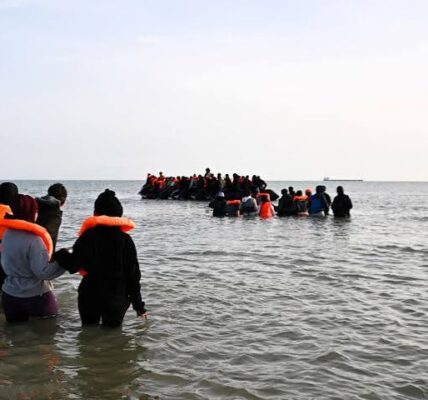
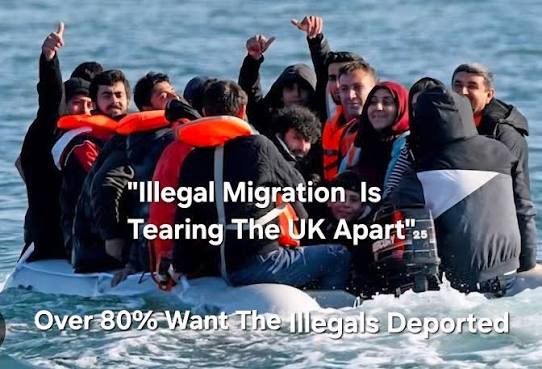
The intervention comes at a critical juncture for British politics. Home Office statistics reveal that in the twelve-month period ending July 31, 2026, a staggering 30,000 individuals completed the perilous journey across the Channel aboard fragile, overcrowded rubber dinghies. Human smuggling syndicates operating out of Northern France have increasingly packed record numbers onto single vessels, pushing maritime risk to unprecedented levels.

Long-term Home Office data underscores the vast scope of the challenge: between 2018 and 2025, the UK processed 178,845 individual asylum claims, granting formal refugee status or alternative protection to 44.5% (79,589) of applicants.
┌─────────────────────────────────────────────────────────────────────────────────┐
│                      UK ASYLUM PROCESSING DATA (2018–2025)                      │
│                                                                                 │
│   TOTAL ASYLUM CLAIMS PROCESSED           REFUGEE / PROTECTION STATUS GRANTED   │
│   ─────────────────────────────           ───────────────────────────────────   │
│   178,845 Claims                         79,589 Granted (44.5% Grant Rate)     │
│                                                                                 │
│   CHANNEL CROSSINGS (YEAR ENDING JULY 31, 2026): ~30,000 Arrivals               │
└─────────────────────────────────────────────────────────────────────────────────┘
In Westminster, right-leaning parliamentarians and legal critics have long argued that Britain’s hands are tied by its adherence to the European Convention on Human Rights (ECHR). Human rights attorneys routinely utilize ECHR provisions—specifically Article 3 (prohibition of inhuman or degrading treatment) and Article 8 (right to respect for private and family life)—to delay or halt deportation orders for foreign offenders and failed asylum seekers.
The Swedish Paradigm Shift
Forssell, a prominent member of the center-right coalition that assumed power in Sweden in late 2022, dismissed the notion that an international treaty withdrawal is a prerequisite for border enforcement. Speaking directly to the British press, Forssell outlined a comprehensive administrative overhaul that slashed Swedish asylum applications without violating international conventions.
The Swedish model rests on four primary pillars:
-
Drastic Benefit Reductions: Curbing social welfare payments, housing allowances, and healthcare subsidies for non-citizens awaiting asylum decisions to eliminate economic draw factors.
-
Mandatory State Reception Centers: Ending decentralized community living arrangements in favor of secure, centralized state-run accommodation centers where asylum seekers must remain while their claims are adjudicated.
-
Mandatory Criminal Deportations: Establishing streamlined legal pipelines to deport foreign nationals convicted of criminal offenses immediately upon the completion of their sentences.
-
Firm Legislative Enforcement: Auditing every piece of domestic administrative law to eliminate procedural loopholes exploited by illegal entry networks.
“It is possible to reduce asylum-related migration, and to do that in a short period of time and in full accordance with international law and human rights,” Forssell stated. “There is no silver bullet, but what we have done is that we have been looking at every piece of legislation, trying to make it strict and firm.”
┌─────────────────────────────────────────────────────────────────────────────────┐
│                          THE SWEDISH MIGRATION MODEL                            │
│                                                                                 │
│   POLICY MEASURE                 OPERATIONAL MECHANISM                          │
│   ──────────────                 ─────────────────────                          │
│   • Welfare Entitlement Cuts     Removes economic pull factors and cash stipends│
│   • Centralized Reception        Replaces open-housing with monitored facilities│
│   • Criminal Deportations        Enforces mandatory removal of foreign offenders│
│   • Loophole Audit               Systematically tightens domestic regulations   │
└─────────────────────────────────────────────────────────────────────────────────┘
Reform UK and “Operation Fortress”
While Stockholm advocates for administrative tightening within existing legal structures, the UK’s political opposition is pushing for military intervention. Nigel Farage, leader of Reform UK, unveiled a sweeping military border policy titled “Operation Fortress”.
Unveiled at a high-profile Westminster press briefing, Farage described “Operation Fortress” as a combined military and humanitarian effort to halt Channel crossings entirely. Under the proposal, a Reform UK administration would deploy Royal Navy Offshore Patrol Vessels (OPVs), supported by Royal Marines on rigid inflatable boats (RIBs) and a Bay-class landing ship to serve as a floating offshore detention facility capable of holding up to 700 individuals.
┌─────────────────────────────────────────────────────────────────────────────────┐
│                   REFORM UK: "OPERATION FORTRESS" ARCHITECTURE                  │
│                                                                                 │
│  [Royal Navy OPVs] ──► [Royal Marine RIBs] ──► [Offshore Bay-Class Ship]       │
│  Shadows small boats   Intercepts & boards     Detain & process up to 700        │
│                        vessels in mid-Channel                                   │
│                                                       │                         │
│                                                       ▼                         │
│                                           [Direct Escort & Return]              │
│                                           Forced return to France / Belgium     │
└─────────────────────────────────────────────────────────────────────────────────┘
Farage asserted that military units would intercept migrant dinghies in mid-Channel, transfer passengers to naval vessels for medical evaluation and holding, and immediately transport them back under armed escort to French or Belgian ports—regardless of whether Paris or Brussels granted formal consent.
Farage insisted the plan complies with the United Nations Convention on the Law of the Sea (UNCLOS), specifically citing Article 98, which mandates that mariners render assistance to persons in distress at sea. “Operation Fortress will be a combined military operation,” Farage declared, framing the measure as a life-saving intervention designed to destroy the business model of human traffickers.
However, the proposal faces immediate resistance from military leaders, international law experts, and European diplomats who warn that forcing naval vessels into French territorial waters without authorization would trigger an unprecedented diplomatic crisis and violate international maritime law.
Having spent thirty years reporting on geopolitical conflicts, statecraft, and border enforcement across Europe, North America, and the Mediterranean, I approach the migration debate in Westminster not with ideological fervor, but with the cold realism of an investigative analyst.
When you strip away the partisan soundbites and campaign rhetoric, the debate over Britain’s Channel crossings resolves into a confrontation between two distinct philosophies: administrative friction versus militarized interdiction.
┌─────────────────────────────────────────────────────────────────────────────────┐
│                      TWO COMPETING BORDER PHILOSOPHIES                          │
│                                                                                 │
│   THE NORDIC MODEL (Forssell)           │     THE MILITARIZED MODEL (Farage)    │
│   ───────────────────────────           │     ──────────────────────────────    │
│   • Systemic administrative friction    │     • Direct military interdiction    │
│   • Works within ECHR & international law│  • Threatens international treaties │
│   • Targets internal draw factors       │     • Focuses on physical interception│
│   • Requires sustained legal auditing   │     • High risk of diplomatic clash   │
└─────────────────────────────────────────────────────────────────────────────────┘
The Swedish Reality vs. The British Fantasy
Johan Forssell’s message to Westminster is deeply uncomfortable for politicians across the British political spectrum. For years, British political leaders have offered simple excuses for border policy failures:
-
Left-leaning politicians claim illegal migration is an unstoppable force of global displacement that can only be managed through expanded asylum processing.
-
Right-leaning politicians claim Britain is powerless unless it tears up international human rights charters and repeals domestic human rights acts.
Sweden’s success proves both premises false.
In the mid-2010s, Sweden was the undisputed capital of European open-door asylum policy, accepting more refugees per capita than any other European nation. The resulting strain on municipal housing, healthcare, public safety, and social integration led to a profound political backlash. When the current center-right coalition took power in 2022, supported by the Sweden Democrats, they did not exit the ECHR, nor did they deploy war ships into the Baltic Sea.
Instead, they systematically altered the internal economic incentive structure. They recognized a basic truth of human movement: migrants choose specific destinations based on comparative risk, economic opportunity, and legal permanence.
┌─────────────────────────────────────────────────────────────────────────────────┐
│                       THE INCENTIVE REVERSAL MATRIX                             │
│                                                                                 │
│   HIGH-DRAW ENVIRONMENT (Pre-2022)       │     LOW-DRAW ENVIRONMENT (Post-2022) │
│   ───────────────────────────────       │     ──────────────────────────────── │
│   • Immediate cash stipends             │     • Zero cash distribution         │
│   • Open community hotel housing        │     • Secure reception centers       │
│   • Permanent residence pathways        │     • Temporary status & review      │
│   • Extended legal appeals & delays     │     • Fast-track deportation pipelines│
└─────────────────────────────────────────────────────────────────────────────────┘
By removing cash stipends, replacing open hotel accommodation with secure reception facilities, and guaranteeing swift deportations for criminal convictions, Sweden transformed itself from Europe’s primary asylum destination into one of its least attractive. The reduction in claims was not achieved at sea; it was achieved in the administrative back offices of Stockholm.
The “Operation Fortress” Flaw: Naval Warfare vs. Maritime Reality
In contrast to Sweden’s administrative strategy, Nigel Farage’s “Operation Fortress” relies on visual theater designed for political impact. As an analyst who has observed naval operations alongside coast guards in the Mediterranean and the English Channel, the operational flaws of military interdiction are immediately apparent.
┌─────────────────────────────────────────────────────────────────────────────────┐
│                    OPERATIONAL BREAKDOWN: NAVAL INTERDICTION                    │
│                                                                                 │
│  [Royal Navy OPV / Frigate] ──► [Approaches Overcrowded Dinghy]                │
│                                 • Freeboard height disparity (20ft vs 2ft)      │
│                                 • Risk of panic & capsize upon boarding         │
│                                                                                 │
│  [Escort to French Coast] ────► [Diplomatic & Maritime Sovereignty Barrier]     │
│                                 • French Maritime Gendarmerie blocks entry      │
│                                 • Potential violation of UNCLOS Article 19     │
└─────────────────────────────────────────────────────────────────────────────────┘
-
The Physical Mechanics of Rescue: Royal Navy Offshore Patrol Vessels (OPVs)—such as HMS Tyne—stand nearly twenty feet above the waterline. Approaching an unseaworthy, overloaded rubber dinghy carrying 70 people with a 2,000-ton warship creates dangerous wake displacement. Transferring non-compliant passengers—including children and infants—from a soft-hulled dinghy to naval rigid inflatables in rough sea conditions carries a high risk of accidental capsize.
-
The Legal Paradox of UNCLOS: Farage cites UNCLOS Article 98 to justify naval boarding. However, Article 98 mandates that a rescuing vessel deliver rescued persons to a “place of safety.” Under maritime law, a place of safety is determined by international convention and port state agreement. Unilaterally forcing a naval vessel into French territorial waters and landing individuals on French soil without the consent of French authorities violates French national sovereignty and Article 19 of UNCLOS (Non-Innocent Passage).
-
The French Standoff: If a Royal Navy landing craft attempts to dock at Calais or Dunkirk without French clearance, the French Maritime Gendarmerie and Border Police can physically deny entry, block harbor gates, or arrest British military personnel for unauthorized entry. Farage’s plan assumes France will passively accept unilateral military offloading on its beaches—an assumption that ignores basic European diplomatic reality.
The True Bottleneck: The UK Legal and Administrative Gridlock
The real reason Britain processes tens of thousands of asylum claims while Sweden’s numbers fall lies inside the UK Home Office and court system.
While Swedish authorities process claims in weeks within secure facilities, the UK asylum backlog remains choked by procedural inertia:
-
Hotel Accommodation Costs: The British state continues to spend millions of pounds per day housing asylum seekers in commercial hotels, creating a massive financial drag on municipal budgets and public goodwill.
-
The Appeals Loop: Unsuccessful applicants in Britain can initiate multi-tiered judicial reviews that stretch across years, during which time they remain within the UK.
-
Lack of Removal Treaties: Unlike EU member states that participate in regional return frameworks, post-Brexit Britain lacks comprehensive bilateral return agreements with key origin and transit nations.
┌─────────────────────────────────────────────────────────────────────────────────┐
│                    SYSTEMIC COMPARISON: UK VS. SWEDEN                           │
│                                                                                 │
│   METRIC / FEATURE               UNITED KINGDOM            SWEDEN               │
│   ────────────────               ──────────────            ──────               │
│   • Accommodation Model          Commercial Hotels         Secure State Centers │
│   • Processing Timeline          Months to Years           Weeks to Months      │
│   • Appeal Structure             Multi-tiered Judicial     Streamlined Fast-Track│
│   • Cash Stipends                Direct Weekly Allowance   Restricted Vouchers  │
│   • ECHR Status                  Full Member               Full Member          │
└─────────────────────────────────────────────────────────────────────────────────┘
Unanswered Questions
As the debate over Britain’s borders intensifies toward the next electoral cycle, several key questions remain unanswered:
-
Why Has Westminster Refused Sweden’s Administrative Reforms? Why have successive British governments focused on controversial overseas deportation schemes rather than auditing domestic welfare, housing, and legal appeal loops?
-
What Is the Financial Limit? How long can the British taxpayer sustain multi-billion-pound annual expenditures on hotel accommodation and asylum processing before municipal services collapse?
-
The French Co-operation Threshold: Given that Britain pays tens of millions of pounds annually to French border authorities to police beaches in Normandy and Nord-Pas-de-Calais, why has Britain failed to negotiate a joint maritime patrol framework in the Channel?
The stark contrast between Johan Forssell’s pragmatic Nordic policy and Nigel Farage’s military proposal reveals a fundamental truth about modern border enforcement: rhetoric is no substitute for administrative competence.
Sweden has demonstrated to the Western world that a sovereign nation can secure its borders, reduce unauthorized asylum claims to forty-year lows, and uphold its international legal obligations without resorting to constitutional upheaval or naval warfare. They achieved this not through military grandstanding, but through rigorous legislative auditing, strict welfare management, and the courage to dismantle internal draw factors.
For Britain, the path forward requires a cold choice. Westminster can continue down the path of political spectacle—debating military deployments in the Channel, issuing threats over international treaties, and managing a chaotic backlog at home—or it can adopt the quiet, methodical discipline of the Swedish model.
Until British leaders confront the reality that border security is won in courtroom procedures, administrative offices, and legislative chambers rather than on television broadcasts, the small boats will continue to cross the English Channel.
When a Nordic social democracy proves that firm border enforcement is entirely compatible with international law, how much longer can British politicians blame external treaties for their own domestic failures?