PAULINE HANSON ESCALATES THE BURQA BATTLE — SECURITY CONCERNS, IMMIGRATION AND A NEW FIGHT OVER AUSTRALIAN VALUES. u1

Integration, Liberty, and Security: The Framework of Australia’s Immigration Debate
The debate surrounding integration, religious freedom, and national security in Australia has once again reached a focal point following renewed calls by One Nation Leader Pauline Hanson to restrict full-face coverings, such as the burqa and niqab, specifically for new migrants.
The proposal—coupled with calls for tighter migration controls from countries associated with radical Islamist movements—has reignited a long-standing political friction point in Australian public life.
                  THE POLARIZING POLICY PROPOSAL
 ┌─────────────────────────────────────────────────────────────────┐
 │ Proposed Restriction: Ban on burqas & niqabs for new migrants    │
 ├─────────────────────────────────────────────────────────────────┤
 │ Security Argument: Face identification & counter-extremism      │
 ├─────────────────────────────────────────────────────────────────┤
 │ Cultural Argument: Assimilation, openness, & national values    │
 ├─────────────────────────────────────────────────────────────────┤
 │ Parliamentary Response: Senate censure & widespread opposition  │
 └─────────────────────────────────────────────────────────────────┘
Hanson’s Stance and Political Context
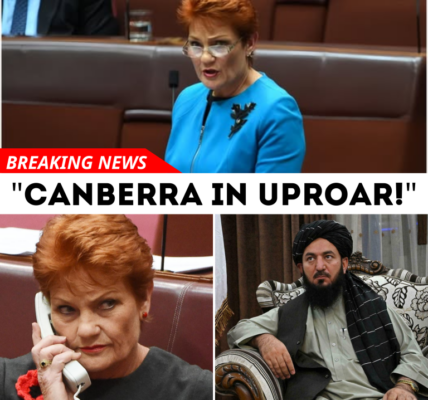
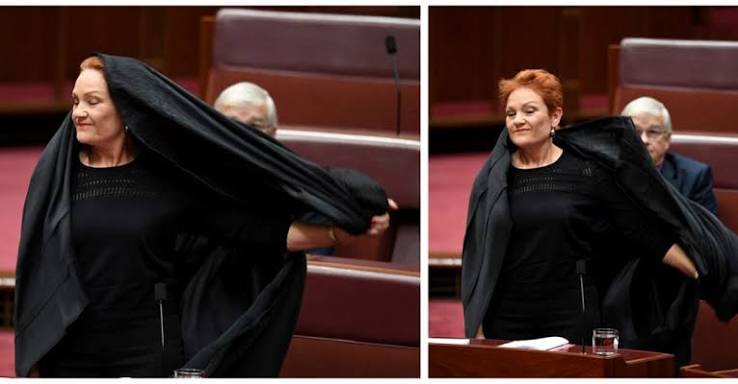
Hanson’s campaign against full-face coverings is a recurring theme in her political career, famously demonstrated when she wore a burqa into the Senate chamber in 2017—a political stunt she repeated in November 2025 following the Senate’s refusal to consider her private member’s bill to ban full-face coverings nationwide. The latter incident led to a formal vote of censure and a multi-day suspension from the Senate.
Despite condemnation from major parties across the political spectrum, One Nation’s messaging arrives at a time of heightened public focus on housing affordability, infrastructure capacity, net overseas migration, and social cohesion. By framing the burqa not merely as religious attire but as a symbol of non-integration and potential security risk, Hanson has forced a complex set of constitutional, legal, and ethical questions back into the national conversation.
                     THE CORE POLICY TENSIONS
 ┌─────────────────────────────────────────────────────────────────┐
 │ Individual Liberty vs. State Regulation of Public Attire        │
 ├─────────────────────────────────────────────────────────────────┤
 │ Freedom of Religion vs. Equality Before the Law                 │
 ├─────────────────────────────────────────────────────────────────┤
 │ Objective Security Risks vs. Generalized Demographic Suspicion  │
 ├─────────────────────────────────────────────────────────────────┤
 │ Cultural Assimilation Expectations vs. Multicultural Governance  │
 └─────────────────────────────────────────────────────────────────┘
Dissecting the Policy Issues
The broader debate encompasses several distinct issues that require different analytical and legal treatments:
-
Targeted Security & Identification: The authority of law enforcement, airport security, judicial officers, and financial institutions to require individuals to reveal their faces for verified identification purposes.
-
General Public Bans: Proposals to enact blanket prohibitions on full-face coverings in public spaces—a measure implemented in various European nations (e.g., France, Belgium, Switzerland) but consistently rejected by Australian federal parliaments.
-
Discriminatory Visa Criteria: Proposals to filter immigration applicants based on religious affiliation or geographic origin, which intersect directly with international non-discrimination obligations and domestic character test frameworks.
My Professional Perspective
Having covered Australian parliamentary politics, national security legislation, and constitutional law for three decades, I have observed that political debates surrounding integration frequently collapse distinct legal, cultural, and security concepts into a single emotional argument.
To evaluate Hanson’s proposals meaningfully, a democratic society must separate political theater from statutory reality and empirical evidence.
                  THE TRIPLE-TIER ANALYTICAL FRAMEWORK

         ┌─────────────────────────────────────────────────┐
         │              1. STATUTORY LAW                   │
         │   Primacy of Australian Law Over Custom         │
         └────────────────────────┬────────────────────────┘
                                  │
                       Requires Clear Separation
                                  │
         ┌────────────────────────┴────────────────────────┐
         │              2. NATIONAL SECURITY               │
         │   Targeted Intelligence vs. Broad Assumptions   │
         └────────────────────────┬────────────────────────┘
                                  │
                       Requires Clear Separation
                                  │
         ┌────────────────────────┴────────────────────────┐
         │              3. CULTURAL NORMS                  │
         │   Social Expectations vs. Legal Prohibitions    │
         └─────────────────────────────────────────────────┘
The Overlooked Detail: The Separation of Security from Identity
What is regularly lost in public discourse is the sharp distinction made by Australian security agencies between observable security risks and generalized religious identity.
During earlier parliamentary debates over full-face coverings, successive Directors-General of Security (ASIO) and Commissioners of the Australian Federal Police (AFP) emphasized that counter-terrorism operations rely heavily on intelligence-led targeting and strong trust-building with local community groups.
Security experts repeatedly advise that treating an entire religious minority or specific form of attire as inherently suspicious undermines intelligence-gathering by alienating the very communities whose cooperation is essential for detecting genuine radicalization.
┌─────────────────────────────────────────────────────────────────┐
│               TARGETED SECURITY VS. BROAD BANS                  │
├──────────────────────────────┬──────────────────────────────────┤
│ Intelligence-Led Security    │ Blanket Attire Restrictions      │
├──────────────────────────────┼──────────────────────────────────┤
│ Focuses on specific threats  │ Focuses on visible clothing      │
│ Relies on community trust    │ Risks alienating populations     │
│ Enforces existing criminal   │ Requires heavy police enforcement│
│ law against violence/coercion│ of personal choice               │
└──────────────────────────────┴──────────────────────────────────┘
The Deeper Meaning: The Constitutional Primacy of Australian Law
Where Hanson’s commentary touches a genuine legal principle is the proposition that Australian law must take absolute precedence over religious or cultural customs.
Under Australia’s constitutional and legal framework, this point is uncontroversial:
-
Universal Application: Commonwealth, State, and Territory laws apply equally to every person residing in Australia, regardless of religious belief or cultural background.
-
No Legal Exemptions: Religious beliefs do not grant exemptions from criminal statutes, family law, child protection mandates, or laws prohibiting forced marriage and domestic violence.
The legal challenge, therefore, is not whether Australian law should prevail—it already does. The challenge lies in ensuring that law enforcement agencies actively investigate and prosecute instances of coercion, forced marriage, or domestic abuse, regardless of the cultural setting in which they occur, without relying on broad-based bans on personal attire that may inadvertently punish the victims of coercion.
                      THE LEGAL PRIMACY PRINCIPLE

  ┌───────────────────────────┐     ┌───────────────────────────┐
  │   AUSTRALIAN STATUTORY    │     │   CULTURAL OR RELIGIOUS   │
  │          LAW              │ ──► │          PRACTICE         │
  │ (Takes absolute legal     │     │ (Must yield whenever a    │
  │  precedence)              │     │  direct conflict occurs)  │
  └───────────────────────────┘     └───────────────────────────┘
Why This Story Matters: The Evidentiary Standard for Policy Debates
This debate matters because how a democracy handles controversial political claims sets the standard for its public discourse.
-
Econ-Demographic Claims: Assertions linking demographic shifts or welfare usage to specific religious groups require rigorous empirical validation using data from the Australian Bureau of Statistics (ABS) and the Department of Social Services, rather than broad political generalizations.
-
Migration Settings: Debates concerning net overseas migration, housing demand, infrastructure bottlenecks, and skilled worker shortages are legitimate and urgent. However, addressing these issues effectively requires economic data, regional planning metrics, and labor market analysis—not religious screening criteria.
When political establishments respond to controversial claims solely with moral outrage rather than substantive counter-arguments, they risk reinforcing the perception among some voters that mainstream parties are avoiding difficult topics. The most effective response to controversial proposals is to test them against evidence, constitutional viability, and practical outcomes.
Key Questions Remaining
As Australia’s debate over migration and integration continues, several policy questions demand clear answers:
-
How do targeted face-identification rules currently function?Do existing police and border security powers already provide sufficient authority to require face identification in high-security settings without enacting blanket public bans?
-
What is the measurable economic impact of migration adjustments?If net overseas migration intakes are reduced to ease housing pressure, what specific adjustments must be made to address skilled labor shortages in healthcare, construction, and aged care?
-
How does Australia define successful integration?Does integration require compliance with Australian laws, economic participation, and civic participation—or does it mandate cultural uniformity in personal attire and private belief?
The debate reopened by Pauline Hanson highlights a fundamental question for modern Australia: how to balance national security, legal equality, and social cohesion within a diverse democratic society.
The principles of Australian democracy are clear: Australian law applies equally to all citizens, individual liberties must be protected from unnecessary state intervention, and national security policy must remain grounded in objective risk rather than generalized suspicion.
As Australia navigates future decisions regarding immigration policy and social cohesion, politicians and voters alike face a choice in how these issues are discussed.
This leaves the nation with a defining question:
Can Australia conduct a firm, evidence-based debate on immigration and national security that protects public safety and the rule of law without compromising the fundamental freedoms that define a modern democracy?