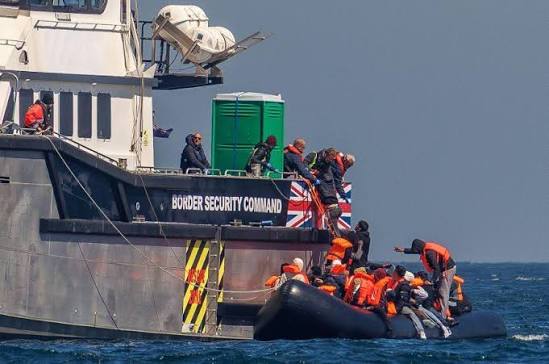
Reform UK has announced a sweeping and controversial plan to use the British military to intercept all unauthorized migrant vessels crossing the English Channel. n1

Operation Fortress: The Military Gamble in the English Channel and the Battle for Britain’s Borders
The Escalation in the Channel
LONDON — In what would mark the largest British military deployment in the English Channel since the Second World War, right-wing populist party Reform UK has unveiled a proposal dubbed “Operation Fortress.” Designed as a total militarization of border enforcement, the policy seeks to halt unauthorized migrant crossings by ordering British armed forces to intercept every non-sanctioned vessel in international and territorial waters and forcibly escort occupants back onto French shores.
                    ┌──────────────────────────────────────────────┐
                    │      Detection & Tracking Phase              │
                    │   Integrated Military Satellite, Radar &     │
                    │      Infrared Surveillance Command           │
                    └──────────────────────┬───────────────────────┘
                                           │
                                           ▼
                    ┌──────────────────────────────────────────────┐
                    │      Interception at Sea                     │
                    │   Joint Task Force (Royal Navy, Army, RAF)   │
                    │   Royal Marines Board Unauthorized Vessels   │
                    └──────────────────────┬───────────────────────┘
                                           │
                                           ▼
                    ┌──────────────────────────────────────────────┐
                    │      Transfer & Return                       │
                    │   Migrants Transferred to Rigid Hull         │
                    │   Inflatable Boats (RHIBs)                   │
                    └──────────────────────┬───────────────────────┘
                                           │
                                           ▼
                    ┌──────────────────────────────────────────────┐
                    │      Forced Escort to France                 │
                    │   Escorted to French Beaches Regardless of   │
                    │     Consent from Paris Authorities           │
                    └──────────────────────────────────────────────┘
Speaking on GB News, Reform UK Home Affairs Spokesperson Zia Yusuf detailed the mechanics of the plan. Yusuf declared that under a Reform government, the practice of transporting migrants to processing facilities at Dover or housing them in hotels would end entirely. Instead, a combined military task force consisting of the Royal Navy, British Army, and Royal Air Force would establish an “impenetrable” perimeter across the maritime border.
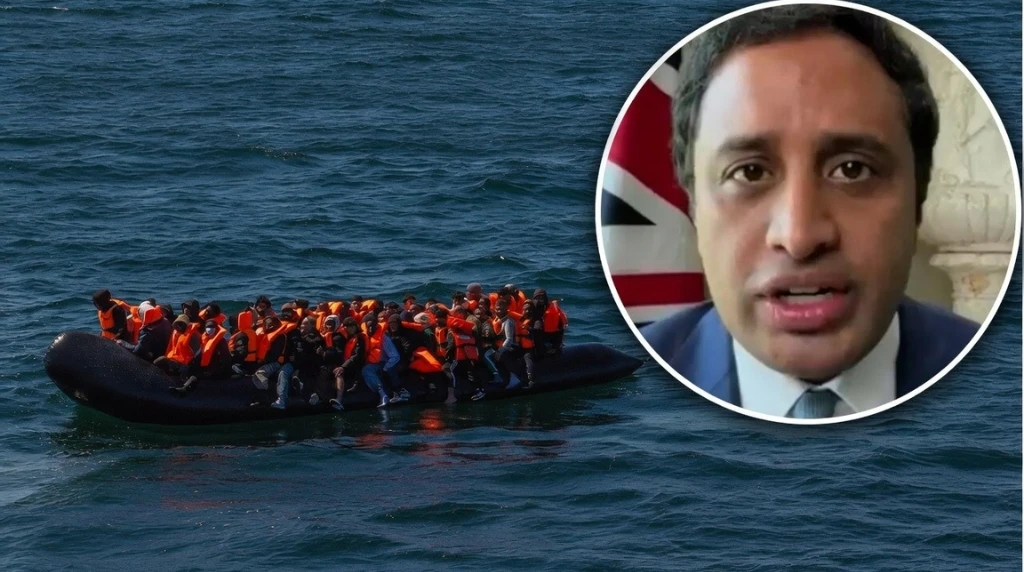
“Every single unauthorized vessel in the channel will be met not with a free ferry service to Dover and free hotels at taxpayer expense,” Yusuf stated. “They will be met without fail, they’ll be intercepted by Royal Marines… and take them back to France.”
Mechanics of “Operation Fortress”
To power this operational envelope, Reform UK proposes establishing an integrated surveillance command. The network would fuse military space satellite technology with thermal infrared imaging and high-frequency radar arrays to track dinghies from the moment they launch from northern French beaches.
Once detected, Royal Marines aboard military vessels would board the dinghies, transfer occupants onto heavy-duty Rigid Hull Inflatable Boats (RHIBs), provide basic medical evaluations and rations, and navigate them back into French territorial waters.
| Policy Dimension | Current Policy / Status Quo | Reform UK’s “Operation Fortress” Proposal |
| Primary Enforcement Body | Border Force, HM Coastguard, RNLI | Joint Command: Royal Navy, Royal Marines, Army, RAF |
| Interception Protocol | Safe rescue & transit to UK processing (Dover) | High-seas boarding & immediate forcible return |
| Surveillance Infrastructure | Coastguard radar & drone reconnaissance | Fused military satellite, infrared, & radar command |
| French Coordination | Bilateral funding & joint intelligence sharing | Unilateral entry into French waters without French consent |
| Fiscal Argument | ~£3.5B annual hotel & processing burden | Military deployment claimed to be significantly cheaper |
When challenged on the operational feasibility—given the Royal Navy’s current fleet constraints—Yusuf maintained that the plan was fully viable, claiming backing from former senior military personnel. He framed the aggressive doctrine not as an act of war, but as a “humanitarian mission” intended to dismantle human-trafficking networks and prevent drownings.
Diplomatic Friction and Political Calculus
The most controversial element of the policy is its explicit intention to bypass diplomatic consent from Paris. Asked what would happen if French naval or gendarmerie forces attempted to block British units or refuse landing, Yusuf stated that Royal Marines would carry out their orders regardless, framing the move as “assisting the French to comply with the contracts that they have already agreed.”
                 THE DIPLOMATIC & OPERATIONAL COLLISION

 REFORM UK "OPERATION FORTRESS"                 FRENCH & INTERNATIONAL LAW
 ┌──────────────────────────────────────┐      ┌──────────────────────────────────────┐
 │ • Unilateral military escort to      │      │ • Sovereign territory violation      │
 │   French beaches                     │  VS  │ • Breaches UNCLOS & 1951 Convention  │
 │ • Rejection of UK processing         │      │ • Risk of high-seas naval standoff   │
 └──────────────────────────────────────┘      └──────────────────────────────────────┘
Financially, Yusuf argued that deploying naval task groups would cost a fraction of the estimated £3.5 billion spent annually by British taxpayers on asylum accommodation.
Politically, the policy announcement comes amid pressure on the right. Responding to an invitation from Restore Britain leader Rupert Lowe for an electoral pact, Yusuf indicated that while party leader Nigel Farage remains open to dialogue with like-minded factions, Reform UK is aiming for an outright majority. Citing political history, Yusuf dismissed coalition models, asserting that meaningful governance requires a singular party with an uncompromised mandate.
My Professional Perspective
Having spent three decades analyzing national security frameworks, maritime operations, and populist movements across Europe and North America, I view “Operation Fortress” less as an operational military plan and more as a political doctrine designed to reshape the parameters of the migration debate.
What we are observing is an intersection of three structural pressures:
                  +----------------------------------------------+
                  |         TRIAD OF BORDER ELECTORAL REALITY    |
                  +----------------------------------------------+
                  |                                              |
                  |     [1] MARITIME & INTERNATIONAL LAW         |
                  |     UNCLOS & non-refoulement create legal    |
                  |     barriers to forced returns.              |
                  |                   /  \                       |
                  |                  /    \                      |
                  |                 /      \                     |
                  |   [2] POPULIST ELECTORAL [3] DEFENSE FORCE   |
                  |       FLANKING               STRAINS         |
                  |   Outbidding rivals like  Royal Navy fleet   |
                  |   Restore Britain.       capacity limits.    |
                  +----------------------------------------------+
The Overlooked Detail: International Maritime Law and Sovereign Borders

What is often glossed over in political announcements is the binding nature of international law at sea. Under the United Nations Convention on the Law of the Sea (UNCLOS) and the 1974 SOLAS (Safety of Life at Sea) Convention, any military or coastguard vessel that intercepts a ship in distress is legally obligated to disembark those rescued at a “place of safety.”
                 THE LEGAL AND DIPLOMATIC CONTRADICTION

 DEFENSE CLAIMED BY REFORM UK                  OPERATIONAL & LEGAL REALITY
 ┌──────────────────────────────────────┐      ┌──────────────────────────────────────┐
 │ "A humanitarian mission returning    │      │ • France does not recognize unilateral│
 │ migrants under existing bilateral    │  VS  │   disembarkation on its shores.      │
 │ agreements."                         │      │ • Forcible entry risks sovereign     │
 │                                      │      │   military confrontation at sea.     │
 └──────────────────────────────────────┘      └──────────────────────────────────────┘
Crucially, France does not recognize the right of foreign military forces to land individuals on its beaches without explicit state authorization. If Royal Marines were to enter French territorial waters to land RHIBs on French soil without permission, it would constitute an unauthorized entry into a sovereign NATO ally’s territory, risking a diplomatic crisis between London and Paris.
The Deeper Meaning: The Right-Wing Flanking Battle
Beyond policy mechanics, the timing of “Operation Fortress” points to tactical dynamics on the British political right:
-
The Challenge from “Restore Britain”: With insurgent parties like Rupert Lowe’s Restore Britain attempting to siphon off disaffected voters, Reform UK must continually re-establish its position as the most uncompromising anti-immigration party.
-
Shifting the Baseline: By proposing military deployment, Reform UK forces both Labour and the Conservatives into a defensive position. Even if “Operation Fortress” is never enacted in this exact form, it moves the boundary of what is considered acceptable policy in public debate.
-
The Appeal of Simplicity: Complex administrative challenges are framed as problems with straightforward military solutions.
                  THE SHIFTING BOUNDARIES OF BORDER DEBATE

     TRADITIONAL POLICY DEBATE                 POPULIST MILITARY RE-FRAMING
     ┌─────────────────────────────┐           ┌─────────────────────────────┐
     │ • Asylum casework processing│           │ • Total naval interception   │
     │ • Offshore processing deals │     VS    │ • Forced beach landings     │
     │ • Bilateral police funding  │           │ • Satellite grid monitoring │
     └─────────────────────────────┘           └─────────────────────────────┘
Why This Story Matters Beyond the Headlines
This policy announcement highlights a central tension in modern Western governance: the gap between international treaty obligations drafted in the post-WWII era (such as the 1951 Refugee Convention) and domestic electoral pressure to enforce national borders.
When large numbers of unauthorized crossings occur, voters often perceive a failure of state sovereignty. When traditional policy tools—such as bilateral accords and processing centers—fail to produce immediate results, proposals for direct military intervention gain traction among the electorate.
The Unsettled Reality
“Operation Fortress” presents a stark choice between strict adherence to international legal norms and the desire for uncompromising border enforcement.
The Royal Navy continues its routine patrols, Border Force vessels handle Channel intercepts, and thousands of migrants remain housed in temporary accommodation while legal frameworks remain unchanged.
                         SUMMARY OF CORE ISSUES

   LEGAL FEASIBILITY            OPERATIONAL CAPACITY        DIPLOMATIC IMPACT
 ┌──────────────────────┐  ┌──────────────────────┐  ┌──────────────────────┐
 │ Navigating UNCLOS,   │  │ Deploying naval and  │  │ Managing relations   │
 │ SOLAS, and non-      │  │ marine assets amidst │  │ with France and NATO │
 │ refoulement rules.   │  │ existing fleet       │  │ partners.            │
 │                      │  │ constraints.         │  │                      │
 └──────────────────────┘  └──────────────────────┘  └──────────────────────┘
Whether “Operation Fortress” is viewed as an actionable security doctrine or an ambitious political proposal, it highlights the intense focus on immigration enforcement in contemporary British politics.
A Reflection for the Road Ahead
As the political debate over Channel crossings intensifies, nations face an ongoing challenge. They must balance humanitarian obligations and international law against the political demand to maintain secure national borders.
Can a modern nation-state deploy unilateral military force to seal an international maritime border without severing the diplomatic ties and legal treaties that underpin global stability?