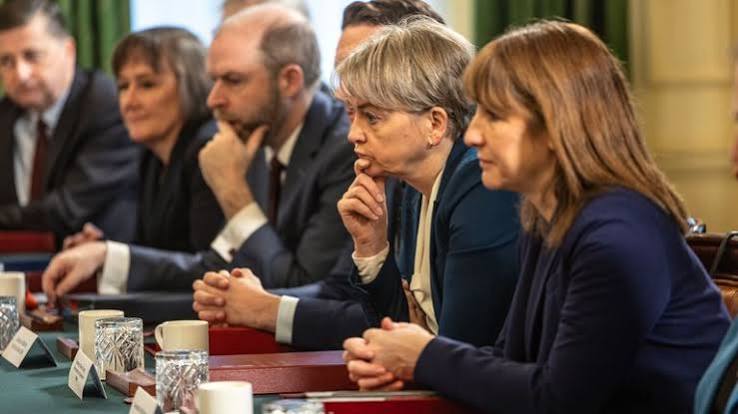
The UK government was put on the spot over shock changes to business rates affecting retail & hospitality. n1

High Street Ambiguity: Inside the Parliamentary Battle Over Business Rates and High Street Taxation
The Parliamentary Flashpoint
The House of Commons descended into a sharp political confrontation following an Urgent Question regarding upcoming government adjustments to business rates—the commercial property tax that directly impacts Britain’s retail, hospitality, and leisure sectors.
The parliamentary session quickly exposed mounting anxieties across the high street as opposition lawmakers demanded immediate clarity on impending tax bills set to hit thousands of pubs, restaurants, independent retailers, and entertainment venues across the United Kingdom.
┌─────────────────────────────────────────────────────────────────────────────┐
│                   URGENT QUESTION PARLIAMENTARY SUMMARY                     │
├──────────────────────────┬──────────────────────────────────────────────────┤
│ Parliamentary Mechanism  │ Urgent Question (UQ) granted by Speaker          │
│ Topic                    │ Business rates for Retail, Hospitality & Leisure │
│ Key Opposition Figure    │ Shadow Chancellor Sir Mel Stride                 │
│ Responding Minister      │ Treasury Minister Dan Tomlinson                  │
│ Core Conflict            │ Non-disclosure of details vs. demands for clarity│
│ Speaker Interjection     │ Correction over compulsory ministerial appearance │
└──────────────────────────┴──────────────────────────────────────────────────┘
The Dispatch Box Confrontation
The exchange was triggered when Shadow Chancellor Sir Mel Stride used parliamentary procedure to summon Treasury ministers to the dispatch box. Stride formally asked the Chancellor of the Exchequer to provide definitive details regarding planned changes to business rates, highlighting reports that commercial properties faced steep, unsustainable tax hikes as temporary COVID-era relief measures expired.
Responding for the government, the Treasury minister offered a brief, guarded statement that provided no new policy specifics to the chamber:
“Colleagues will have heard what the Prime Minister and the Chancellor have said on this matter in recent days,” the minister informed the House. “I’m not going to add further comments on the specifics at this question, and when there are further comments to be made, I’m sure they’ll be made, Mr. Speaker, in the usual way.”
The refusal to offer detailed numbers drew immediate fire from the Opposition benches. Shadow Chancellor Mel Stride condemned the minister’s statement as a “complete non-response,” accusing the administration of attempting to bypass parliamentary scrutiny by planning to leak policy adjustments to news media outlets rather than addressing elected representatives directly on the floor.
                  ┌─────────────────────────────────────┐
                  │    Shadow Chancellor Summons UQ     │
                  │ Demands Treasury business rate plan │
                  └──────────────────┬──────────────────┘
                                     │
                  ┌──────────────────▼──────────────────┐
                  │    Treasury Minister Refuses Detail  │
                  │ Cites upcoming statements in "usual way"│
                  └──────────────────┬──────────────────┘
                                     │
                  ┌──────────────────▼──────────────────┐
                  │   Accusations of "Policy U-Turn"    │
                  │ Opposition alleges chaotic planning │
                  └─────────────────────────────────────┘
Stride sharply criticized the government’s fiscal handling, arguing that ministers were executing a chaotic policy reversal after failing to calculate the real-world financial impact on struggling small businesses.
“Of all the excuses for a U-turn that we’ve had from this government, this one simply beggars belief,” Stride argued from the opposition dispatch box. “Why announce crippling rises in business rates without bothering to check who would be hit the hardest?”
The Speaker’s Intervention
The atmosphere inside the chamber grew further strained when the minister sought to defend his presence at the dispatch box. Pushing back against Stride’s characterization that he had been “dragged” to Parliament to answer for the Treasury’s fiscal strategy, the minister insisted he was “very happy to take questions” from opposition Members.
That assertion prompted an immediate, wry intervention from the Speaker of the House, Sir Lindsay Hoyle. Stepping in to clarify parliamentary procedure, the Speaker reminded the Treasury representative that his appearance was not a voluntary gesture, but a mandatory parliamentary duty compelled by the Chair’s authority.
“I just [want to] help the minister a little bit; I did grant a UQ [Urgent Question] for this to happen,” the Speaker interjected. “It wouldn’t have happened if I [hadn’t] granted it, so I’m not quite sure that you were compatible.”
┌────────────────────────────────────────────────────────────────────────────┐
│                  PROCEDURAL TENSION: THE SPEAKER'S REBUKE                  │
├──────────────────────────┬─────────────────────────────────────────────────┤
│ MINISTERIAL CLAIM        │ SPEAKER'S CORRECTION                            │
├──────────────────────────┼─────────────────────────────────────────────────┤
│ Claimed he was "very     │ Clarified appearance was compulsory via Urgent  │
│ happy to take questions" │ Question grant; not a voluntary ministerial     │
│ and denied being "dragged"│ briefing                         │
└──────────────────────────┴─────────────────────────────────────────────────┘
The minister quickly backtracked, explaining that he fully respected the Speaker’s prerogative to grant Urgent Questions and was solely objecting to the Shadow Chancellor’s emotive framing that he had been forced to the chamber against his will.
Despite the procedural resolution, the exchange underscored severe ongoing political friction over how the UK government intends to balance its public finance deficit against the survival of brick-and-mortar high street commerce.
My Professional Perspective
Having spent thirty years covering economic policy, parliamentary maneuverings, and tax reform across Westminster and global financial capitals, I view the exchange over business rates not merely as a routine clash of political rhetoric, but as a revealing window into the structural fragility of modern public finance.
When a Treasury minister stands at the dispatch box during an Urgent Question and refuses to provide specific tax numbers to the House of Commons, it is rarely an accident of messaging. It is almost always a signal of deep internal friction between fiscal arithmetic and political survival.
┌────────────────────────────────────────────────────────────────────────────┐
│                    THE TRILEMMA OF COMMERCIAL PROPERTY TAX                 │
├──────────────────────────┬─────────────────────────────────────────────────┤
│ FISCAL IMPERATIVE        │ POLITICAL REALITY                               │
├──────────────────────────┼─────────────────────────────────────────────────┤
│ • Treasury needs revenue │ • High streets face shuttering & bankruptcies   │
│ • COVID relief expiring  │ • Small business owners form key voter blocs    │
│ • Equalizing online vs.  │ • Transitioning tax burdens creates abrupt      │
│   brick-and-mortar costs │   shocks for local employers                    │
└──────────────────────────┴─────────────────────────────────────────────────┘
1. The Mechanics of Business Rates: Why This Tax Triggers Pandemonium
To understand why a procedural exchange over business rates causes such intense anxiety, one must look at how commercial property taxation operates in the United Kingdom compared to income or sales taxes.
Business rates are an asset-based, fixed operational overhead. Unlike corporation tax—which fluctuates based on net profitability—business rates are charged based on the estimated rateable rental value of a physical property. Whether a local pub, family-run bakery, or boutique clothing shop turns a record profit or operates at a loss, their business rates bill remains due in full.
                     ┌───────────────────────────────┐
                     │   VALUATION OFFICE ASSESSMENT │
                     │ Assesses commercial rental val│
                     └───────────────┬───────────────┘
                                     │
                                     ▼
                     ┌───────────────────────────────┐
                     │    UNIFORM BUSINESS RATE      │
                     │  Multiplier applied to value  │
                     └───────────────┬───────────────┘
                                     │
                                     ▼
                     ┌───────────────────────────────┐
                     │   FIXED OPERATIONAL OVERHEAD  │
                     │  Owed regardless of profit    │
                     └───────────────┴───────────────┘
During the pandemic and its immediate aftermath, successive governments introduced temporary relief discounts—at times scaling up to 75% relief for retail, hospitality, and leisure properties. As those temporary measures expire or taper down, thousands of independent businesses face what economists call a “cliff-edge tax shock.”
For a regional pub or independent retail shop operating on paper-thin 5% operating margins, a sudden doubling or tripling of business rates overhead does not mean reduced dividends; it means insolvency, staff layoffs, and shuttered storefronts.
2. The Anatomy of Non-Answers: Why Ministers Stone-Wall
When Shadow Chancellor Mel Stride accused the government of giving a “complete non-response,” he was highlighting a standard Treasury defensive tactic: pre-budget informational lockdown.
┌────────────────────────────────────────────────────────────────────────────┐
│                  THE STAGES OF TREASURY TAX ANNOUNCEMENTS                  │
├──────────────────────────┬─────────────────────────────────────────────────┤
│ STAGE 1: LEAK & FLOAT    │ Test policy shifts via targeted press leaks     │
├──────────────────────────┼─────────────────────────────────────────────────┤
│ STAGE 2: PARLIAMENTARY UQ│ Stonewall Opposition demands for specific figures│
├──────────────────────────┼─────────────────────────────────────────────────┤
│ STAGE 3: FORMAL STATEMENT│ Deliver curated package at formal Budget/Review │
└──────────────────────────┴─────────────────────────────────────────────────┘
In parliamentary governance, Treasury ministers operate under strict market-sensitivity rules. Announcing partial tax reliefs or sector-specific exemptions on the fly during an Urgent Question can distort commercial property markets, alter corporate valuations, and spark immediate demands from excluded sectors for equivalent treatment.
However, using procedural phrases like “comments will be made in the usual way” creates a dangerous political vacuum. It signals to business owners that the government is adjusting tax policy on the fly in response to political pressure rather than following a coherent, predictable long-term economic framework.
3. The Speaker’s Intervention: Defending Parliamentary Supremacy
The most telling moment of the session occurred not when the politicians traded economic insults, but when Speaker Sir Lindsay Hoyle interjected to correct the minister.
                     ┌───────────────────────────────┐
                     │   EXECUTIVE DEPT (TREASURY)   │
                     │ Seeks controlled announcements │
                     └───────────────┬───────────────┘
                                     │
                                     ▼
                     ┌───────────────────────────────┐
                     │    SPEAKER'S UQ AUTHORITY     │
                     │ Compels minister to appear    │
                     └───────────────┬───────────────┘
                                     │
                                     ▼
                     ┌───────────────────────────────┐
                     │ PARLIAMENTARY ACCOUNTABILITY  │
                     │ Executive answerable to House │
                     └───────────────┴───────────────┘
By explicitly reminding the minister that his presence was compelled by the Chair’s grant of an Urgent Question, the Speaker reasserted a fundamental constitutional principle: the executive branch is answerable to Parliament, not the other way around.
In an era where modern governments increasingly rely on pre-briefed press releases, social media videos, and curated media appearances to announce major policy pivots, the Urgent Question remains one of the few procedural tools capable of forcing ministers to face direct, unscripted cross-examination from elected representatives.
Unanswered Questions
As high street business owners wait for definitive tax schedules, several critical questions remain unresolved:
-
Which specific commercial sectors will receive transitional relief? Will additional relief be targeted exclusively at pubs and licensed venues, or will it extend to independent retail and leisure facilities facing identical rental valuations?
-
How will online giants be taxed to rebalance high street rates? If the government intends to fund lower high street multipliers by raising rates on large distribution warehouses, how will those properties be defined to prevent cost pass-through to consumers?
-
What is the long-term structural replacement for business rates? Can any piecemeal adjustment to a 20-year-old valuation formula truly fix a commercial property tax system that many economists view as fundamentally outdated in a digital economy?
The Hidden Story
The sharp exchange inside the House of Commons was far more than a debate over procedural terminology or ministerial attendance. It was a reflection of the deep tension at the center of modern economic governance.
The hidden story is that the UK high street is caught in a structural vice between rising operational overheads, shifting consumer habits, and a commercial property tax system originally designed for a pre-digital era. When ministers delay specific tax guidance, they leave thousands of small business owners unable to forecast cash flow, secure bank financing, or sign commercial leases.
Parliamentary theater and witty procedural corrections from the Speaker provide compelling viewing. But for the shopkeepers, publicans, and independent employers whose livelihoods depend on those tax bills, the only metric that matters is clarity—and until the Treasury delivers concrete numbers, uncertainty remains the highest tax of all.
A Reflection for Our Readers
When a government delays providing specific tax details to Parliament while floating potential policy shifts through the media, is it exercising necessary fiscal caution—or is it avoiding democratic accountability at the expense of struggling small businesses?