
Echoes of the White Australia Policy: The Cultural Friction Behind Australia’s Morning TV Warfare
Background & Context
It was supposed to be a routine Monday morning political panel on Seven’s Sunrise, Australia’s breakfast television staple. Set against the backdrop of rising cost-of-living pressures, housing shortages, and a simmering national identity debate, the segment quickly degenerated into a fiery shouting match.
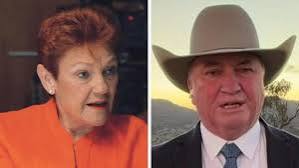
The spark? A controversial international interview between One Nation founder Pauline Hanson and high-profile British far-right activist Tommy Robinson.
 timeline of the controversy
┌─────────────────────────────────────────────────────────┐
│ 1. European Tour                                       │
│    Pauline Hanson travels abroad; sits for an interview │
│    with British far-right figure Tommy Robinson.        │
├─────────────────────────────────────────────────────────┤
│ 2. The Interview Remarks                                │
│    Robinson queries Australian immigration; Hanson       │
│    cites 1973 abolition of the White Australia policy.  │
├─────────────────────────────────────────────────────────┤
│ 3. The Backlash & Clarification                         │
│    Public outcry ensues; Hanson releases video stating  │
│    she never advocated returning to the policy.         │
├─────────────────────────────────────────────────────────┤
│ 4. The Sunrise Clash                                    │
│    Tanya Plibersek and Barnaby Joyce face off live,     │
│    debating assimilation, deportations, and policy.     │
└─────────────────────────────────────────────────────────┘
During her interview with Robinson, Senator Hanson was asked directly about the changing demographic makeup of Australian cities and localized instances of youth crime.
“How have you ended up with Pakistanis, Somalis, all of these African problems with violent Africans?” Robinson asked Hanson. “How has that happened when you have such a strong immigration policy?”
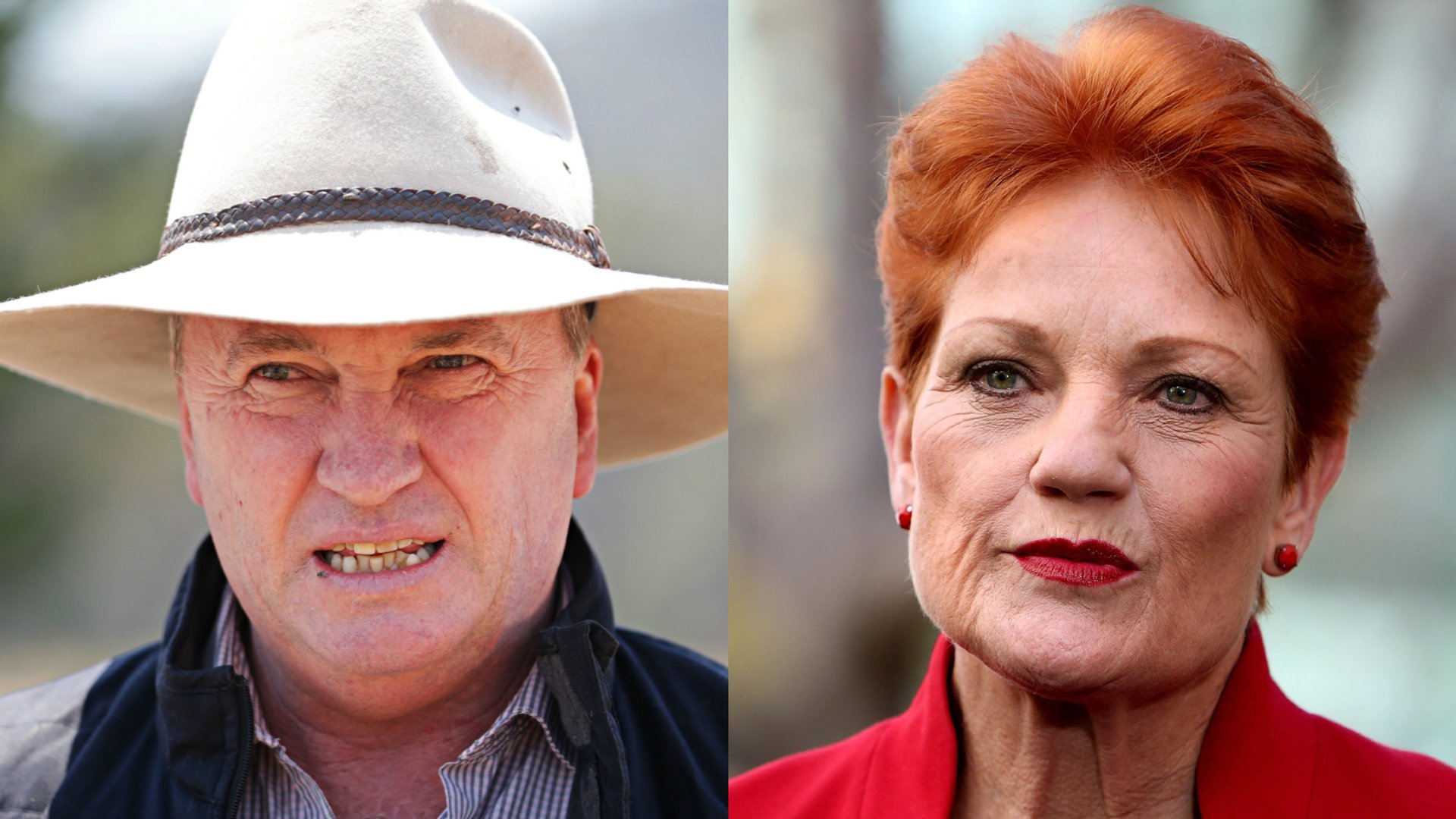
Hanson responded by pointing back five decades into Australia’s legislative history:
“Well, it started in 1973 with Gough Whitlam. So they opened up and got rid of the White Australia policy,” Hanson replied. “Then they started bringing in the different migrants. We had a lot of people came out after the Second World War. So Italians, Germans, Polish, and these people, but they integrated into the system… They had to go and work. But these people who came in really assimilated. And… now, they’re Aussies. They love the country. But over the decades… a lot of people come into Australia purely for the welfare system, or to get on our NDIS.”
The Backlash and The Morning Television Showdown
The comments triggered immediate condemnation across the political spectrum, with critics accusing Hanson of romanticizing a racially restrictive past and stoking division alongside a convicted criminal abroad.
In response to the mounting storm, Hanson posted a video to social media asserting that the “leftist media” had weaponized her words. She insisted that describing a historical turning point was not the same as calling for its reinstatement.
“Not the case. Never ever have I advocated that. And I don’t believe it, at all,” Hanson insisted in her video statement.
The controversy came to a head on Sunrise when Social Services Minister Tanya Plibersek and Nationals MP Barnaby Joyce squared off before millions of morning viewers.
Key Figures in the Clash
├── Tanya Plibersek (Labor Minister)
│   ├── Frame: "Toddler tactics" & walking back comments
│   └── Focus: Calling out extremism & defending multiculturalism
├── Barnaby Joyce (Nationals MP)
│   ├── Frame: Statement of historical fact & social cohesion
│   └── Focus: Enforcing law on illegal stays & preserving culture
└── Pauline Hanson (One Nation Leader)
    ├── Frame: Misinterpreted historical trajectory
    └── Focus: Distinguishing post-WWII assimilation from modern immigration
Plibersek rejected Hanson’s clarification, comparing the One Nation leader’s defense to a child caught red-handed.
“Well, I watched that interview… she very clearly said that the problem started after we got rid of the White Australia policy, and she also backed in mass deportation,” Plibersek stated on air. “It’s like watching a toddler do something wrong in front of you and then turns around to you and says, ‘No, no, never did it. Wasn’t me.’ She’s palling around with convicted criminals, she’s trashing Australia overseas… and then she’s saying she’s all for White Australia and for mass deportations, and today apparently she’s not.”
Barnaby Joyce stepped up to defend the underlying sentiment without endorsing racial exclusion.
“We don’t support the White Australia policy. Let’s get that completely clear,” Joyce pushed back. “What we see is a chain of events. It’s a statement of fact that—and Pauline herself said that at the start—it started from [former Liberal Prime Minister Harold] Holt, actually. At the start, there was really no issues with it. But over time, we got a section of people who didn’t want to really assimilate with Australia… and therefore we started moving away from an Australian culture.”
Joyce referenced social unrest in the UK as a cautionary tale for domestic policy:
“What is happening in England is a social fissure, and it’s no good. We don’t want to go down that path… That is not going to work in Australia.”
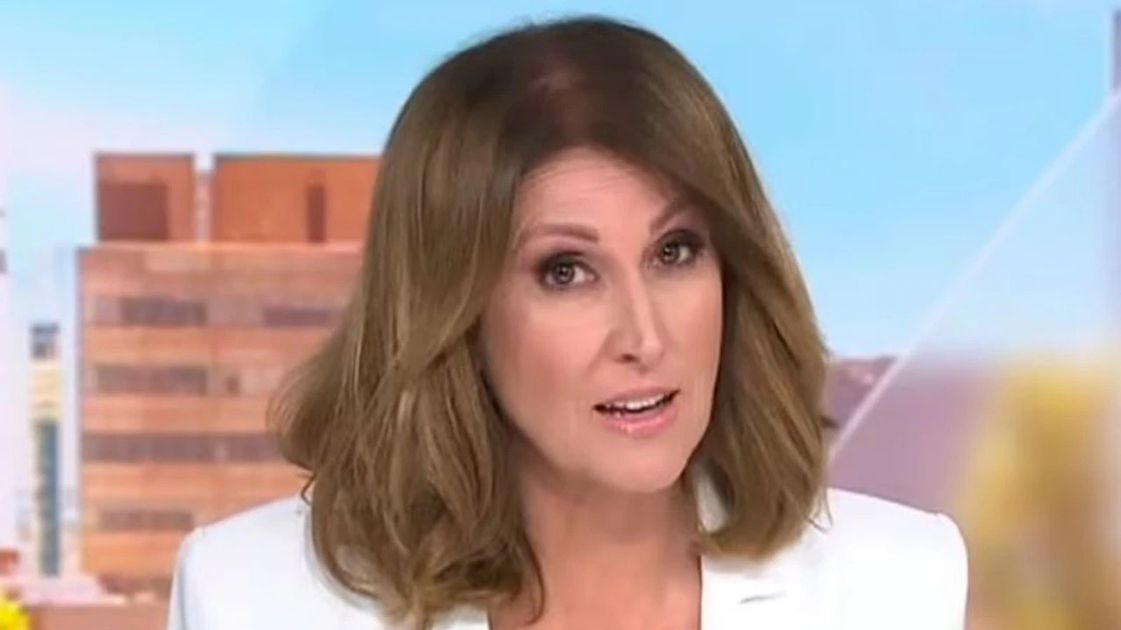
When host Natalie Barr pivoted to the question of “mass deportations” for visa overstayers, Joyce maintained that non-citizens lacking legal authorization must leave.
“If you’re here illegally, you should be deported, no questions asked,” Plibersek countered, before turning the spotlight onto Joyce’s own record. “Barnaby was the Deputy Prime Minister. There were people who were here illegally when he was Deputy Prime Minister. What did he do about that then? There’s 17,000 people who live in Barnaby’s electorate who’ve got both parents born overseas. Are we deporting them as well?”
Joyce dismissed the retort as absurd, clarifying that One Nation has no policy targeting lawful Australian citizens.
My Professional Perspective
Having spent three decades tracking political narratives across Western democracies, I have seen morning television clashes like this dozens of times. They follow a predictable script: quick soundbites, sharp jabs, and immediate outrage designed for quick social media clips.
However, beneath the surface of this six-minute TV brawl lies a significant shift in Australian political discourse.
THE ICEBERG MODEL OF THE CONTROVERSY

       [ Morning TV Headlines & "Toddler" Soundbites ]        <-- Surface Level
~~~~~~~~~~~~~~~~~~~~~~~~~~~~~~~~~~~~~~~~~~~~~~~~~~~~~~~~~~~~~~~
   - The Dog-Whistle Architecture (Historical Framing)        \
   - The European Far-Right Transnational Pipeline            |-- Hidden Realities
   - The Economic Squeeze weaponized into Cultural Friction    |   (Deep Analysis)
   - The Collapse of Mainstream Political Consensus           /
1. The Architecture of the Historical Framing
What many political commentators missed in this exchange is how historical facts can be subtly reframed.
When Pauline Hanson points to 1973—or when Barnaby Joyce corrects the timeline to Harold Holt’s initial dismantling of the policy in 1966—they are engaging in a deliberate rhetorical technique. By framing the end of racial restriction as the exact moment Australia’s social problems began, the argument connects past legislative changes directly to current social issues.
         HISTORICAL TIMELINE OF MIGRATION POLICY

  1901                1966               1973             Present
---|-------------------|------------------|-------------------|--->
 Dictation Test     Holt Government    Whitlam Govt    Modern Multicultural
 Introduced         dismantles key     formalizes      Nation (NDIS/Housing
 (White Australia)  restrictions       dismantling     Pressure Debates)
Notice Hanson’s distinction between post-war European migrants (Italians, Germans, Poles) and modern non-European arrivals. Post-war European arrivals were met with significant societal resistance, slurs, and isolation in the 1950s and 1960s. Yet in Hanson’s narrative, those past tensions are smoothed over to create a golden era of seamless assimilation. This contrast allows her to criticize newer non-European communities without explicitly relying on old racial arguments.
A crucial detail overlooked in mainstream commentary is where this interview took place and who conducted it.
Hanson did not make these comments on an Australian news show or in the Senate chamber; she made them while traveling in Europe, sitting alongside Tommy Robinson. Robinson is a prominent figure in the British far-right movement with multiple criminal convictions.
This detail highlights an important trend: conservative populist movements are increasingly building international networks.
By framing local Australian debates around immigration, housing, and social services alongside British discussions of “social fissures,” Hanson taps into a globalized narrative. The strategy brings foreign talking points into domestic debates, importing cultural grievances directly into the Australian political conversation.
Globalized Culture Wars
├── UK/European Narrative: "Social Fissures" & Integration Failure
└── Imported to Australia: Applied to NDIS, Housing, & Local Crime Debates
3. Economic Anxiety Disguised as Cultural Frustration
Why do these arguments resonate so strongly right now?
The answer lies far beyond racial policy: it is driven by economic pressures. Australia is navigating severe housing shortages, rising inflation, and stretched public infrastructure.
When Hanson links immigration directly to the exploitation of “the welfare system” or “getting on our NDIS,” she connects broad economic anxieties with a visible subject.
  ECONOMIC STRESSORS                    TARGETED NARRATIVE
┌───────────────────────┐            ┌───────────────────────┐
│ • Housing Shortages   │  WEAPONIZED │ "Immigrants exploit  │
│ • Inflation & Costs   │  =========> │  welfare & NDIS"      │
│ • Strained Hospitals  │            │ (Hanson's rhetoric)   │
└───────────────────────┘            └───────────────────────┘
When people struggle to secure a rental home or wait hours in an emergency room, systemic explanations like interest rates or zoning laws can feel abstract. Blaming immigration offers a simple explanation for complex structural problems.
4. Unanswered Questions
The Sunrise interview left critical questions unaddressed:
-
The Enforcement Gap: If both major parties agree that non-citizens without legal status should be deported, why do thousands remain in visa appeals for years?
-
The Economic Reality: How would Australia’s aged-care, agriculture, and construction sectors function without current immigration levels?
-
The Definition of Integration: Where is the clear line between maintaining a cohesive culture and accepting normal cultural diversity?
The clash between Tanya Plibersek and Barnaby Joyce was far more than an uncomfortable morning TV moment. It reflects a deep uncertainty about Australia’s identity and direction.
As Australia manages economic pressure, housing demands, and complex demographic changes, debates over national identity will only grow louder. The key question is whether political leaders can address these pressures through honest economic policy, or if public debate will continue to focus on cultural divisions.
A Final Thought to Consider
When a nation struggles to provide basic needs like affordable housing and accessible healthcare for its people, is the core problem the newcomers arriving at the door—or the leadership responsible for managing the house?
To better understand how these political debates play out on morning television, you can watch Barnaby Joyce clashing over One Nation policies on Sunrise, which highlights the ongoing discussions surrounding Australian population and housing strategies.