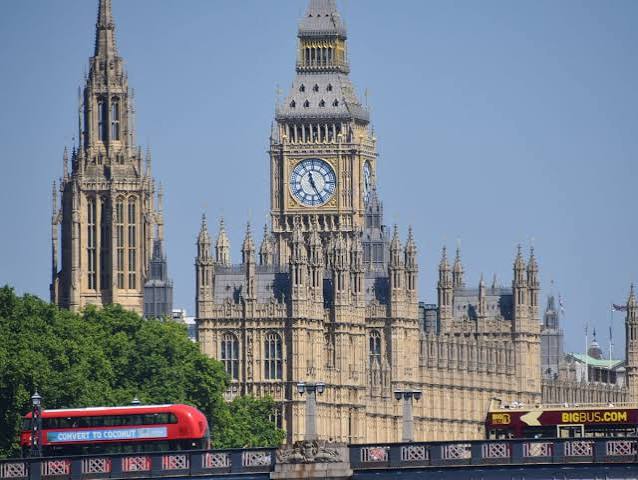
Shedding Light on the Shadows: The Plan to Overhaul UK Lobbying Rules
Lobbying is a necessary part of democracy — businesses, charities, unions, and interest groups all seek to explain their views to those making laws. But in the UK, the system governing this activity has long been criticised as weak, full of loopholes, and largely hidden from public view. Scandals involving figures from Peter Mandelson to David Cameron have repeatedly raised questions about who gets access to ministers, what they ask for, and what they offer in return.
Now, following a series of controversies, the official Ethics and Integrity Commission has published a landmark review calling for a complete overhaul. If adopted, the changes would mark one of the biggest shifts in transparency rules in decades.
Main Events
The Trigger
Prime Minister Keir Starmer ordered the review after revelations surrounding Peter Mandelson — who retained a stake in a lobbying firm while serving as Britain’s Ambassador to the United States. This came alongside other disclosures showing how influence is often exercised behind closed doors, through channels that are not currently required to be declared.
The Failings of the Current System
Since 2014, there has been a register of consultant lobbyists — but it is widely regarded as ineffective. Exemptions, narrow definitions, and gaps in reporting mean that only an estimated 4–6% of all lobbying activity is ever recorded. Crucially, informal contact — from WhatsApp messages and emails to conversations at party conferences or social events — remains almost entirely invisible to the public.
Doug Chalmers, head of the commission, said the current rules fall short of the Nolan Principles — the standards of public life that demand openness, accountability, and transparency. “Partial fixes are no longer enough,” he stated.
The New Proposals
The review sets out sweeping changes:
- Comprehensive registration: All individuals and organisations carrying out lobbying activity must sign up, not just specialist consultants.
- Wider coverage: Disclosure applies not only to ministers and top civil servants, but also to special advisers, directors‑general, senior officials, and other government advisors.
- No more loopholes: Exemptions for VAT‑exempt bodies or “incidental” conversations would be removed.
- Declare everything: All methods of communication must be logged — including WhatsApp, text messages, emails, and casual meetings. Each entry must record who met whom, when, what they discussed, which policy or law was targeted, and who was paying for the representation.
- Enforcement: Maximum penalties for non‑compliance would be raised significantly.
- Public access: A new AI‑powered online platform would allow anyone to search the register easily, and ministers would be instructed to refuse meetings from unregistered lobbyists.
What Happens Next
The decision on whether to legislate now falls to Andy Burnham, widely expected to succeed Keir Starmer as Prime Minister. The issue is part of a broader debate about how the state relates to business and private interests. If he chooses to implement the proposals fully, it would send a strong signal that the government is serious about cleaning up public life.
Reaction
Surprisingly, one of the most positive responses came from the Chartered Institute of Public Relations, which has long argued for clearer rules. Chief Executive Alastair McCapra said: “The public has come to see lobbying as synonymous with sleaze — but that is only because so much of it happens in the dark. These recommendations would finally bring the light of transparency that we have been asking for.”
My Professional Perspective
After more than 30 years reporting on Westminster, I can tell you this: Lobbying is not the problem — secret lobbying is. The difference between a healthy democracy and a corrupt one is not whether influence exists, but whether the public can see how it works.
What Most Observers Miss
Three key points stand out in this report.
First, this is not about banning lobbying — it is about revealing it. Politicians cannot make good laws without hearing from those affected by them. But the current system lets them hear from some people in private, while the rest of us never know. This reform treats all lobbying the same — whether from a multinational corporation or a local charity — and puts it on the public record.
Second, it addresses the biggest gap: the informal channels. The scandals of recent years have not come from formal meetings in Whitehall; they have come from text messages, phone calls, and encounters at conferences. By bringing WhatsApp chats and social events into the rules, the commission is closing the door to the spaces where influence has traditionally been exercised out of sight.
Third, the political timing matters. This comes at a moment when trust in politics is at a low ebb. Voters believe decisions are often made for the benefit of those with money and connections, rather than the public interest. If Burnham acts on these recommendations, he has the chance to rebuild that trust — but if he waters them down, the message will be that nothing really changes in Westminster.
The Deeper Meaning Behind the Review
At its heart, this is about accountability. The report recognises that power must be accompanied by visibility. In the past, politicians could claim they were being lobbied but refuse to say by whom or about what. The new rules make that impossible.
It also changes the dynamic for lobbyists themselves. Instead of working in the shadows, they will operate in the open — which actually protects their profession from being seen as inherently suspicious. As the CIPR noted: “Mistrust foments in the dark.”
Why This Matters Beyond Westminster
- For the public: It will finally be possible to see which interests are trying to shape which laws — and whether there is a pattern between money, access, and policy decisions.
- For businesses and groups: They will operate under clearer rules, with a level playing field where no one has an unfair advantage through secrecy.
- For the government: It removes the constant risk of future scandals and provides a defence against claims of “sleaze”.
Unanswered Questions
As the process moves forward, three questions remain:
- Will Andy Burnham have the political will to introduce the full legislation, or will industry pressure lead to delays or weaker rules?
- Can the new system be enforced effectively, and will the penalties be strong enough to deter evasion?
- Will the register remain user‑friendly and accessible, or become a bureaucratic exercise that hides information rather than revealing it?

Conclusion
The review by Doug Chalmers marks a turning point. It acknowledges what everyone in politics has long known: the current system is broken, opaque, and unworthy of a modern democracy.
If enacted, these changes will not stop lobbying — but they will change its nature. It will no longer be what happens behind closed doors, but what happens in plain sight.
The question now is whether the government has the courage to deliver on what it promises. Transparency is not a burden — it is the best way to ensure that power serves the public, not the powerful.