POLICE RESPONSE TO BIRMINGHAM STREET FIGHT SPARKS FRESH DEBATE OVER FAIRNESS AND PUBLIC TRUST. n1

A confrontation captured on video in Birmingham has ignited a new wave of online debate about policing in the United Kingdom after footage appeared to show officers arresting a white man following a street altercation involving several other individuals. The clip, widely shared across social media, has prompted criticism from some commentators who argue that the officer’s actions raise questions about consistency and public confidence in law enforcement. Police, however, have defended the arrest, saying the officer acted appropriately based on the circumstances encountered at the scene.
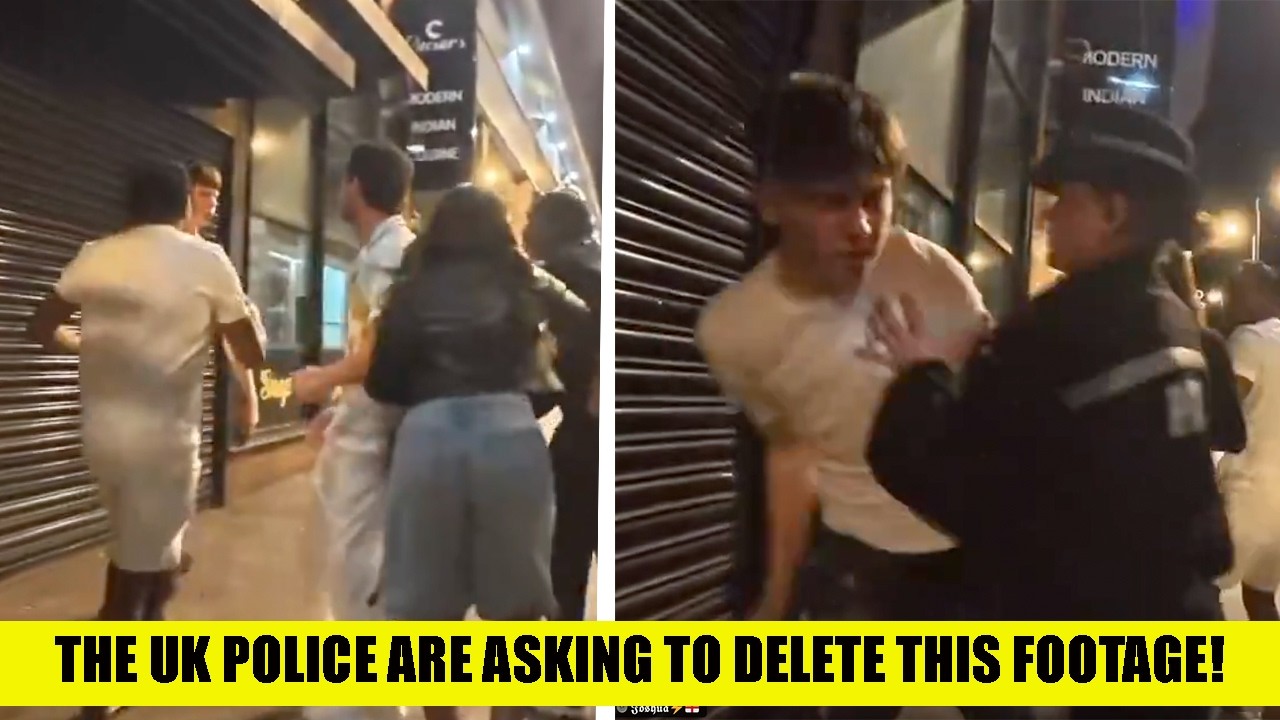
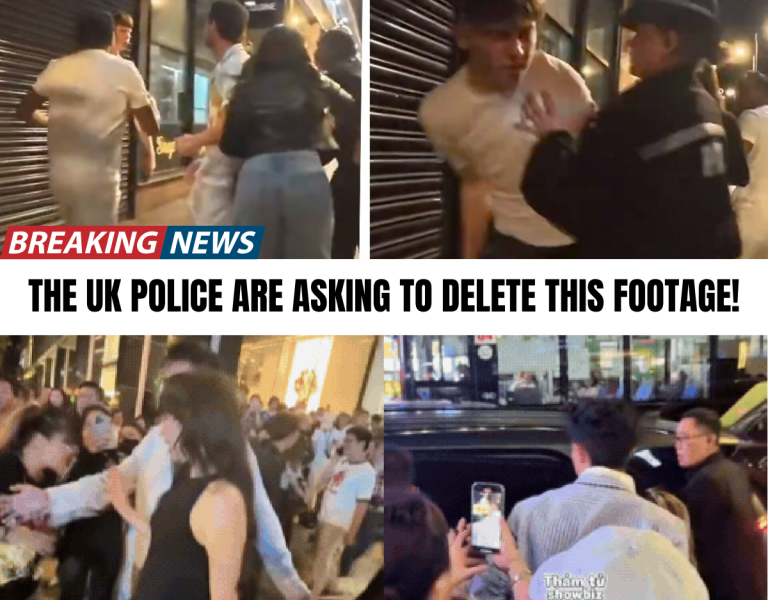
According to the footage circulating online, a confrontation unfolded between several men during the early hours of the morning on Broad Street in Birmingham. The video appears to show multiple individuals involved in a physical altercation before officers intervene. One officer is then seen moving toward a white man, who is subsequently restrained and arrested after an apparent confrontation with police. Critics argue that the footage seems to show the man being attacked moments before police intervention, leading some to question why he became the focus of the arrest while others involved were not immediately detained. Supporters of that view have claimed the images reinforce concerns about unequal treatment during police incidents. Others, however, caution that short video clips rarely capture the full sequence of events and may omit important context that officers witnessed before or during the encounter.
In response to the growing attention, local police issued a statement confirming they were aware of the footage. Authorities said officers had responded to reports of disorder involving a group of men at approximately 1:30 a.m. on June 21. During the incident, police stated that one officer was punched, leading to the arrest and charging of one man for assaulting an officer. The force also confirmed that it had reviewed the incident internally and concluded that the officer’s actions were reasonable and proportionate under the circumstances. Police further urged members of the public not to continue sharing the footage while legal proceedings remain ongoing. That response, however,
has done little to quiet online discussion, with many people arguing that additional video or body-camera footage should be released if it provides further context and helps explain why officers made the decisions they did.
The incident has also drawn attention from political commentator Robert Jenrick, who questioned why the available footage appears to show the arrested individual being attacked before officers intervened against him. Jenrick argued that if additional evidence exists showing events that occurred before the widely shared clip begins, authorities should release it in order to address public concerns. He suggested that failing to provide further context risks increasing public suspicion and undermining confidence in policing. Others have echoed that view, arguing that transparency is essential whenever widely circulated videos create conflicting interpretations of police conduct. At the same time, many observers have stressed that conclusions should not be drawn solely from a brief clip without access to all available evidence.
The debate has also revived broader discussions surrounding public trust in British policing. Some commentators argue that recent controversies have left many people more skeptical of official explanations, leading to greater scrutiny whenever videos of police encounters emerge online. Others counter that officers are often required to make split-second decisions in fast-moving situations and that isolated footage can easily present an incomplete picture. The differing interpretations have once again highlighted the challenge police forces face in balancing operational decisions with growing public demands for transparency and accountability.
Another aspect of the footage that attracted attention was the language reportedly used by one officer while making the arrest. Some viewers criticized the tone as unprofessional, arguing that police officers should maintain higher standards of conduct even during tense situations. Others defended the officer, noting that arrests involving physical resistance are often highly stressful and can escalate rapidly. As with the wider incident, opinions remain sharply divided, with supporters and critics reaching very different conclusions from the same video.
For now, the legal process continues while debate surrounding the incident shows little sign of slowing. Supporters of the police maintain that officers must be allowed to carry out their duties without being judged solely on short social media clips, while critics argue that greater openness—including the release of additional footage where legally possible—would help strengthen public confidence. As discussions continue, the Birmingham incident has become another example of how quickly recorded encounters between police and the public can develop into nationwide debates over fairness, accountability, and trust in modern policing.