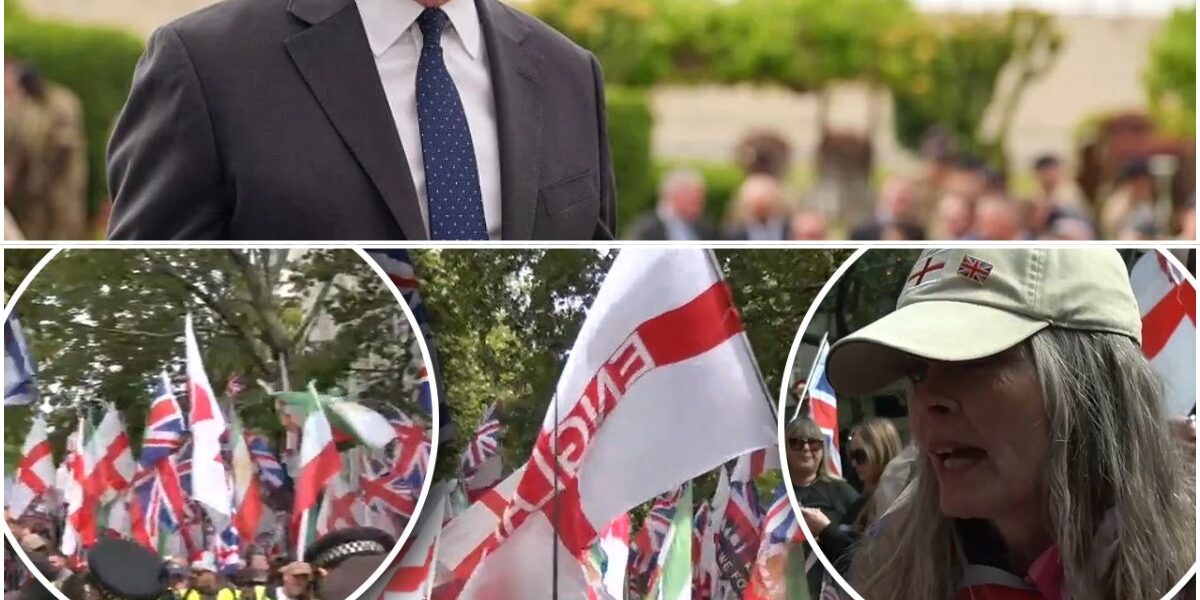
London braces for Unite the Kingdom rally as 100,000 expected and police launch unprecedented security operation! N1

London braces for Unite the Kingdom rally as 100,000 expected and police launch unprecedented security operation
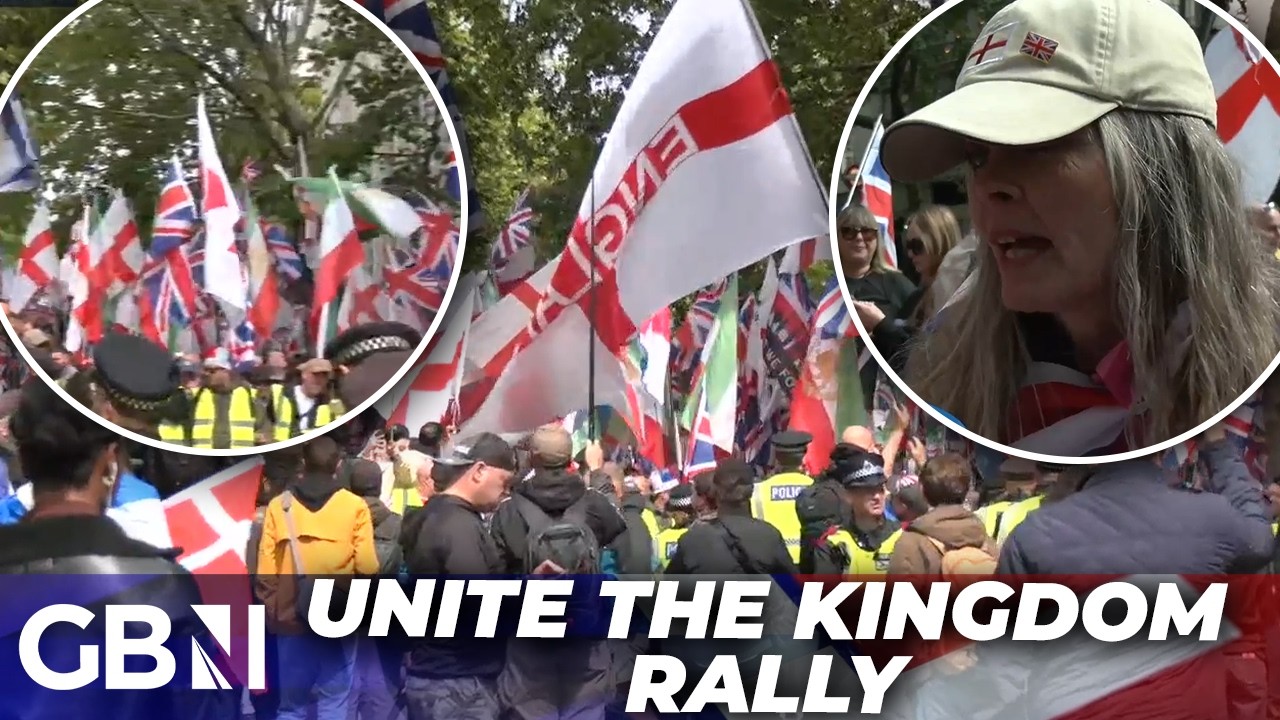
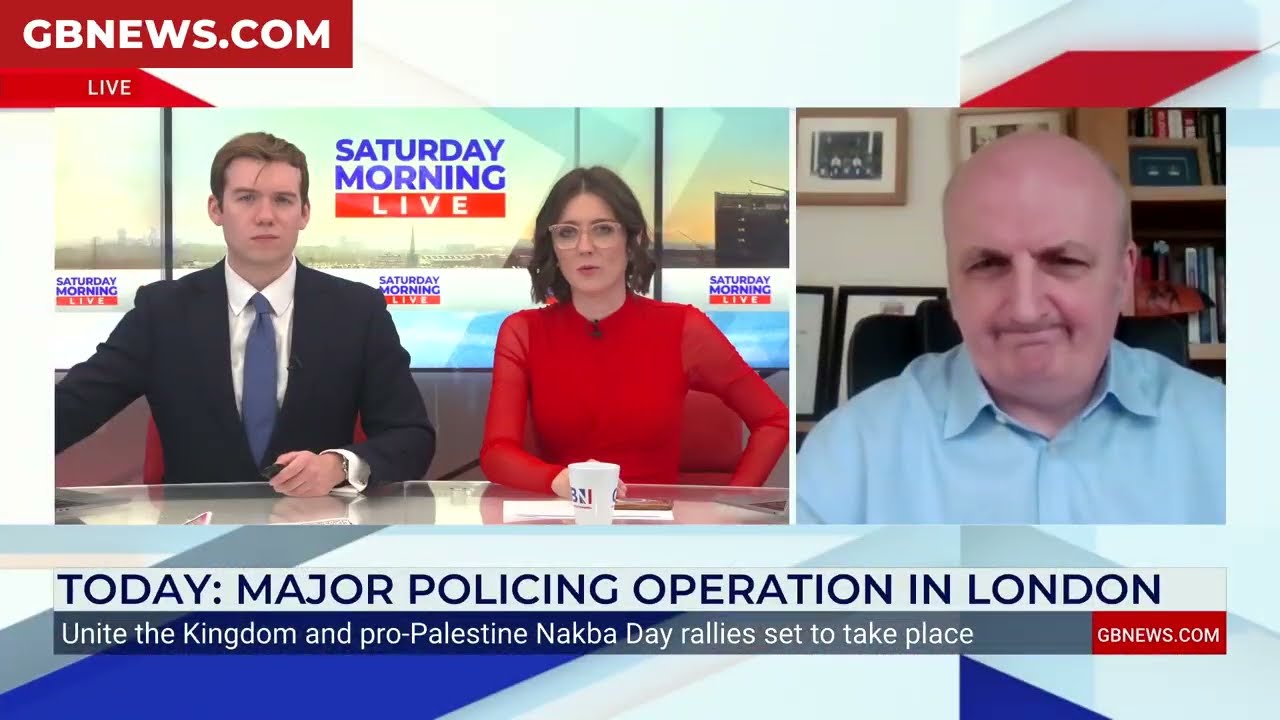
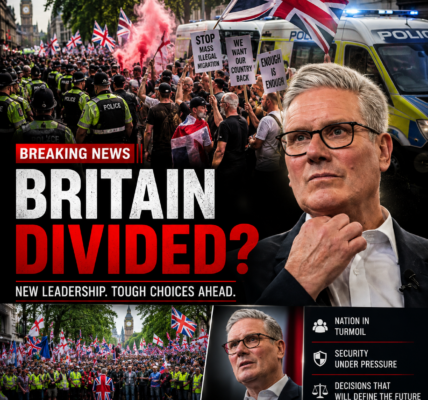
London is preparing for one of its most heavily policed protest days in recent memory as more than 100,000 people are expected to attend the Unite the Kingdom rally in central London.
The demonstration comes amid growing political tension after the government intervened to block 11 speakers from entering the UK to attend the event. At the same time, thousands of Metropolitan Police officers have been deployed in what has been described as an “unprecedented” security operation — including the first use of live facial recognition technology at a protest.
Heavy restrictions have also been introduced in an attempt to prevent clashes between the Unite the Kingdom rally and the separate pro-Palestinian Nakba Day march taking place elsewhere in the capital.
Starmer warns “voices of division will be loud”
Prime Minister Keir Starmer addressed the public on the morning of the protests, warning that the day would bring heightened tensions.
He stated that “the voices of division will be loud today,” adding that those voices “don’t speak for the country I know.”
The government’s decision to bar 11 speakers from entering the country has intensified debate over freedom of speech and the growing use of state intervention in protest movements.
Supporters of the decision argue it was a necessary measure to prevent extremist figures from inflaming tensions, while critics say it risks creating a dangerous precedent where the state can decide who is allowed to speak based on political labels.
Reporter describes angry but “festive” atmosphere
Live reporting from central London described the rally as massive in scale, with crowds stretching deep along the roads leading to the assembly point.
One reporter noted that demonstrators were voicing frustration with the government — and in many cases using language “that couldn’t be repeated on television.”
Despite the anger, the atmosphere on the ground was described as largely “festive,” with people carrying flags from across the British Isles.
“There are flags from right across the British Isles here,” the reporter said. “People are frustrated and want their voices to be heard.”
Participants were reported to include people from Scotland, Wales, Northern Ireland, the Republic of Ireland, and even the Isle of Wight.
Protesters say safety and border control are driving them
Many attendees said their motivation for joining the rally was rooted in concerns about safety and the future of the country.
One woman, when asked why she was marching, said she feared for her daughter’s future and no longer felt safe in Britain.
“If I felt safe, why would I carry a spray in my handbag every time I go out?” she said.
She added that many women felt the same way, describing widespread anxiety about personal security in public spaces.
Others at the rally described their concerns as broader than any single political figure, rejecting the idea that the event was simply a gathering of Tommy Robinson supporters.
“These are normal people,” the reporter said. “Grandmothers, grandchildren — every part of British society you could imagine.”
Unexpected alliance of flags sparks attention
Observers noted one striking detail in the crowd: the presence of Iranian flags alongside Jewish flags and Union Jacks.
The sight suggested that the rally is attracting a coalition of groups united by frustration with the government, despite having very different political or cultural backgrounds.
This mix of symbols was described as one of the biggest differences compared to the previous year’s protest.
Ministers of faith join rally, claim Britain is facing “evil”
The rally also featured ministers from multiple Christian denominations, who said they were attending to “lift up Jesus” and spread a message of reconciliation.
One minister argued that Britain’s problems are deeply political and spiritual, claiming the country is facing “evil” within government institutions.
“There’s only one way you can fight evil, and that’s with Jesus Christ,” he said.
The minister described the rally as an opportunity to pray for Britain and bring the nation back together.
4,000 police officers, armoured vehicles, drones and helicopters deployed
The Metropolitan Police have mobilised around 4,000 officers to manage the demonstrations, supported by armoured vehicles, mounted police, dogs, drones, and helicopter surveillance.
Police have also received support from outside London, with hundreds of “mutual aid” officers brought in from other forces across the country.
This level of deployment has been described as extremely rare and reflects growing concern over potential disorder.
Authorities have also implemented enhanced stop-and-search powers, including the use of Section 60 and 60A, which allow officers to search individuals without needing “reasonable suspicion.”
Police also have the authority to require demonstrators to remove face coverings.
Facial recognition controversy sparks “two-tier policing” accusations
One of the biggest controversies of the day is the reported use of live facial recognition technology — for the first time ever at a protest.
Critics claim the technology is being used to target the Unite the Kingdom rally, while the pro-Palestinian Nakba march will not face the same measure.
The technology is reportedly being deployed in the London Borough of Camden, where the Unite the Kingdom event is expected to take place.
Former police superintendent Martin Gallagher acknowledged the concern, stating that the perception of unequal enforcement is understandable.
“If it’s good for one, why is it not good for the other?” he said.
This has fuelled renewed accusations of “two-tier justice,” a phrase increasingly used in British political debate to describe perceived unequal policing based on ideology.
Police operation described as “robust” but raises civil liberties questions
Gallagher said the policing operation appeared well resourced and legally prepared, pointing to the stop-and-search powers now in effect.
However, he also warned that the scale of protest policing is placing unsustainable strain on officers.
“These 4,000 cops are not held in a warehouse,” he said. “These are the cops that police your streets.”
He noted that rest days are frequently cancelled, and police forces are building up massive backlogs of unused leave, increasing the risk of exhaustion and long-term staffing crises.
“Not a day for tourist activities,” former superintendent warns
When asked whether families should enter central London today, Gallagher gave a blunt answer.
“I wouldn’t have been going into the centre of London today,” he said.
With two major rallies and the FA Cup final also taking place, he suggested that avoiding the city centre would be the sensible option, even if police are doing everything possible to maintain safety.
Britain’s protest culture reaches breaking point
The Unite the Kingdom rally has become more than a political event — it is increasingly being treated as a flashpoint in Britain’s widening national debate over borders, safety, identity, and government control.
Meanwhile, the government’s decision to block speakers and deploy unprecedented surveillance measures is raising fears that protest itself is becoming a battleground over civil liberties.
With tensions high and both sides accusing the state of bias, London’s streets are once again reflecting the deeper conflict inside modern Britain: a country struggling to decide what it stands for — and who gets to define it.