The Breaking Point: Europe’s Summer of Discontent and the Crisis of Coexistence. n1

The Breaking Point: Europe’s Summer of Discontent and the Crisis of Coexistence
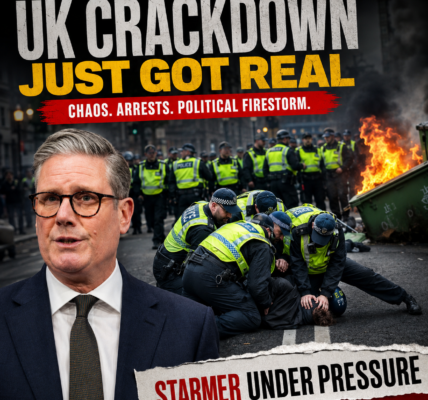
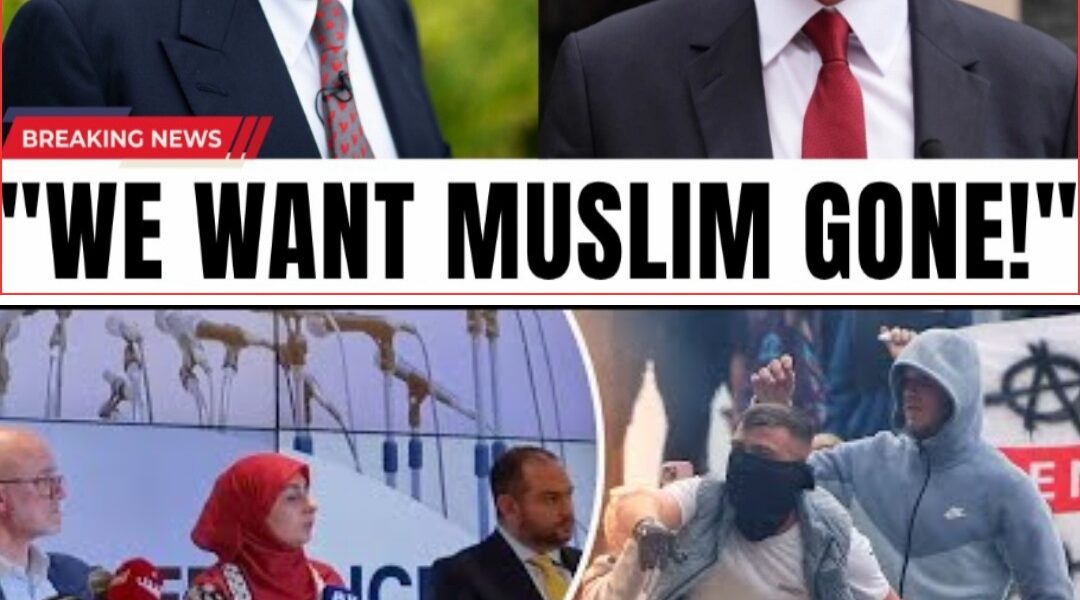
LONDON — The veneer of European civic stability, long characterized by a stoic, if strained, tolerance, has begun to fracture under the weight of a heated spring. Across the continent’s major capitals—from the rain-slicked squares of Manchester to the historic boulevards of Paris and Berlin—long-simmering cultural tensions have moved from the quiet confines of private grievance into the raw, unpredictable theater of the streets. What were once dismissed by policymakers as “isolated friction” over lifestyle norms and public behavior have rapidly metastasized into organized, hostile stand-offs. For a continent that has spent decades betting on the success of the multicultural experiment, the current unrest suggests that the social contract is being rewritten in real-time, often with clenched fists.

For years, European leaders operated under the assumption that integration was a hurdle that could be cleared with enough time and administrative patience. But the “breaking point” currently being described by sociologists suggests that the underlying issues—divergent cultural norms, differing views on public conduct, and the rapid pace of demographic change—were never truly resolved; they were simply ignored. This “quiet room” strategy, where difficult conversations were kept behind closed doors to avoid the stigma of intolerance, has effectively backfired, allowing grievances to ferment until they reached a boiling point in the public square.
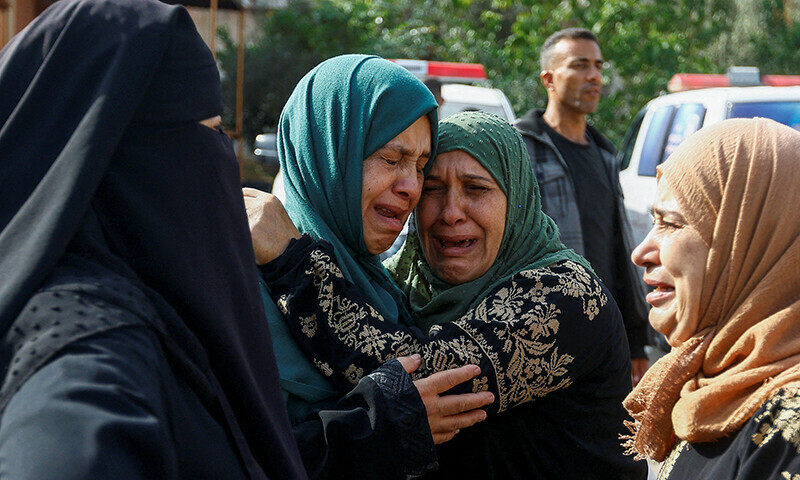
The complexity of these domestic frictions is further intensified by a volatile international backdrop. As global calls for a resolution to the conflict in Gaza reach a fever pitch, the domestic and the foreign have become indistinguishably blurred. Protests over Middle Eastern geopolitics frequently merge with local debates over national identity and security, creating a hybrid form of unrest. This intersection has turned the European street into a microcosm of global instability, where a spark in a foreign conflict can instantly ignite a neighborhood dispute thousands of miles away.
At the heart of the unrest is a fundamental question that Europe has hesitated to answer: Where should the limits of tolerance lie? The balance between integrating new arrivals and preserving a host nation’s cultural identity is no longer an academic exercise; it is a matter of civil peace. In cities like Manchester, the need for “constructive conversation” has become a desperate plea rather than a policy goal. The events of this month serve as a stark reminder that integration is a two-way street that requires a shared set of values—a common ground that currently feels like a disappearing territory.
Authorities across the UK and the EU are maintaining rigorous surveillance, yet the “police-first” response is increasingly seen as a temporary bandage on a deep-seated wound. The CPS and local law enforcement are grappling with acts of violence that underscore the deep-rooted divisions within the fabric of society. As investigations proceed, the looming question is whether these events represent a temporary spike in tension or the beginning of a permanent “rupture” in the European social fabric—one that legislative action alone cannot weld back together.

The Digital Accelerant
The role of social media in this “Spring of Discontent” cannot be overstated. Algorithms designed to prioritize engagement have turned localized arguments into global spectacles within minutes. This digital accelerant ensures that a single confrontation in a London suburb is viewed, analyzed, and weaponized by millions before the sun sets. It has stripped away the “buffer time” that diplomats and community leaders once used to de-escalate tensions, forcing governments to react to “viral realities” rather than the nuanced facts on the ground.
As the situation continues to spiral, there is a growing recognition that the old models of multiculturalism may be facing challenges beyond their ability to manage. The “forensic stability” that leaders like Mark Carney in Canada have called for is precisely what is lacking in the European theater. Without a structured, transparent strategy for addressing the realities of migration and coexistence, the near future remains “uncertain and deeply concerning.” The “Special Relationship” between European states and their diverse populations is undergoing a painful metamorphosis, and the outcome is far from guaranteed.
Conclusion: The Hard Path Ahead
The chimes of history are sounding a warning note across the continent. From the squares of Paris to the docks of Halifax, the era of “enforced silence” on cultural identity is over. Europe is being forced to confront the map of its own making—a map where the borders are no longer just geographical, but psychological and cultural.
The path to de-escalation requires more than just “policing the streets”; it requires a “sovereign commitment” to a shared identity that can survive the pressures of a multipolar world. Whether Europe can find that common ground before the “breaking point” becomes a permanent fracture is the defining question of 2026.