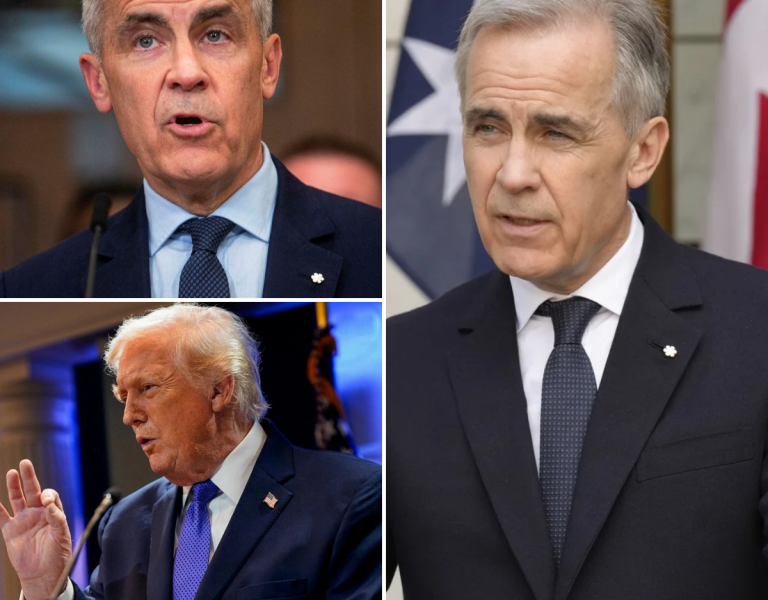
The $175 Billion Reversal: Washington Opens the Portal to a Trade War Retreat. s1

The $175 Billion Reversal: Washington Opens the Portal to a Trade War Retreat
WASHINGTON — At precisely 8:00 a.m. Eastern time on Tuesday, the United States government opened a digital gateway that represents perhaps the most significant institutional retreat in the history of American trade policy. The portal, known as CAP (Consolidated Administration and Processing of Entries), was not launched to facilitate new commerce, but to begin the arduous task of undoing the old. Following a landmark 6–3 Supreme Court ruling in Learning Resources v. Trump, the government is now legally obligated to return an estimated $165 billion to $175 billion in tariffs ruled to have been collected without legal authority. For the 330,000 importers and millions of Canadian businesses caught in the crossfire of the 2025 trade war, the launch of CAP is more than a procedural milestone; it is a $175 billion confession that the “fentanyl tariffs” were built on a hollow legal foundation.
The Supreme Court’s February 20th decision struck at the very heart of executive overreach, with Chief Justice John Roberts writing that the power to tax—even under the guise of national security via the International Emergency Economic Powers Act (IEEPA)—resides with Congress, not the Oval Office. The ruling effectively vaporized the 25 percent tariff on Canadian goods imposed in February 2025. While President Trump has decried the ruling as a “disgrace,” the opening of the CAP portal marks the beginning of a “forensic correction” that vindicates the “strategy of patience” championed by Ottawa.
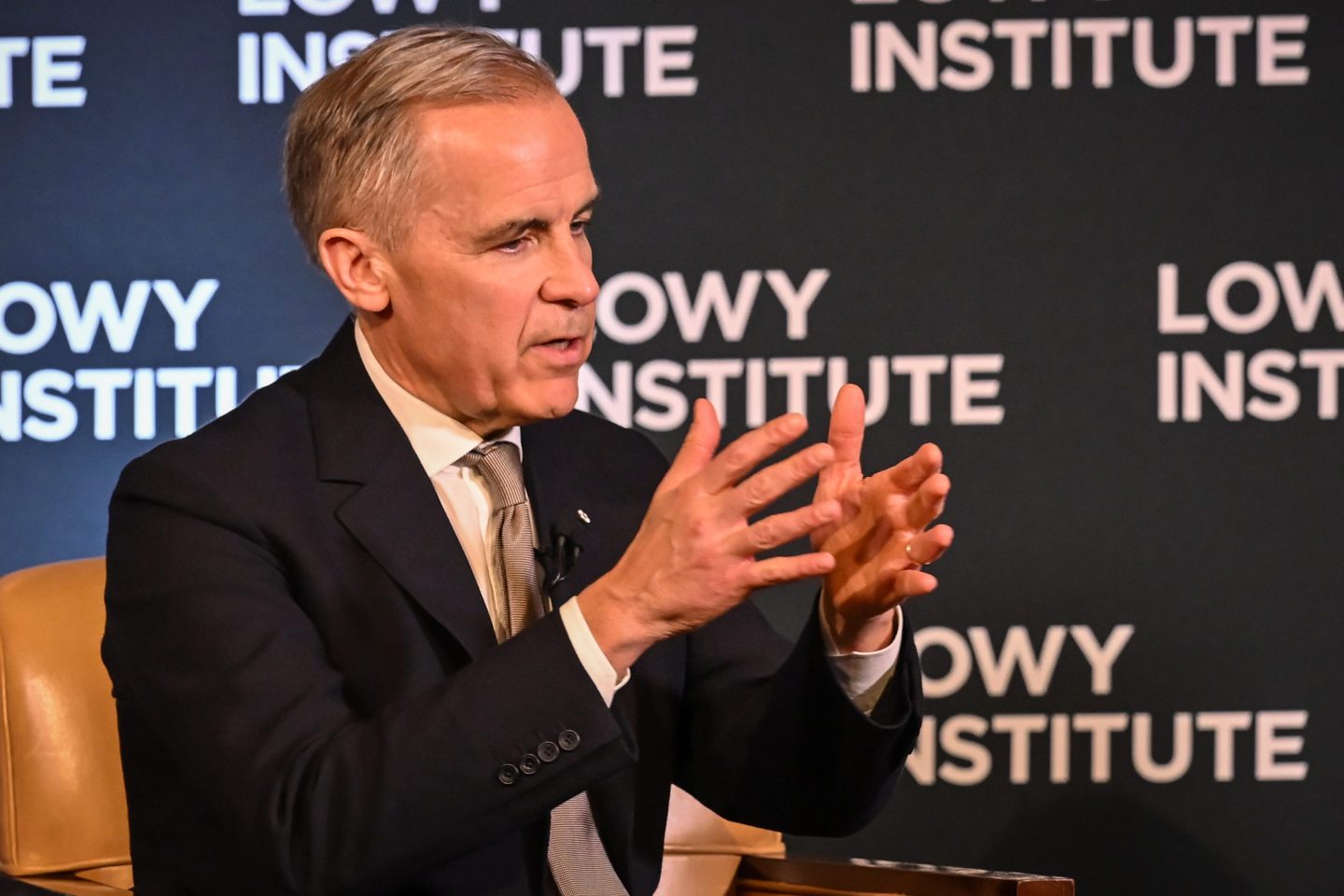
The Mechanics of a Massive Refund
Despite the astronomical figures, the refund process is far from a simple “blank check” operation. CAP is a review engine, not a payment machine. Phase 1, which launched today, covers roughly 63 percent of affected entries—primarily those that remain “unliquidated” or were finalized within the last 80 days. Businesses are required to file a formal CAP declaration, a process that is deceptively simple at the front end but subjects every entry to intense backend scrutiny by Customs and Border Protection (CBP). As of early April, a staggering 94 percent of eligible importers had yet to complete the necessary ACH electronic enrollment, suggesting that the “road to recovery” will be hampered by administrative bottlenecks and institutional friction.
For Canada, the stakes are deeply personal. The 25 percent duties paid on steel, aluminum, lumber, and auto parts over the last 14 months were often absorbed by Canadian exporters through renegotiated contracts. As American importers begin to claw back these illegal duties, the door opens for a massive commercial recalibration. Canadian suppliers, whose margins were compressed by the “tariff shock,” now have the legal and moral leverage to renegotiate upward, effectively recovering their lost revenue as their American partners are made whole by the U.S. Treasury.

A Vindicated Strategy of Patience
The launch of CAP serves as a quiet monument to the “Carney Doctrine.” When the tariffs were first imposed, the calls for immediate, maximum retaliation from Ottawa were deafening. Prime Minister Mark Carney, however, bet on the resilience of American institutions. He wagered that the facts would win and that the U.S. legal system would eventually correct its own trajectory. Today, with 53 million entries under review for refund, that bet appears to have paid off. Canada’s choice not to panic preserved its leverage, allowing it to enter the upcoming CUSMA review on July 1st from a position of “sovereign reality” rather than reactionary desperation.
The macroeconomic implications are equally profound. TD Securities analysts estimate that while it may take 12 to 18 months for the money to flow, the reversal will ease the 0.1 percentage point drag on Canadian GDP growth caused by the initial shock. Coupled with the 10-cent-per-liter gas tax cut that took effect today, Canadian consumers and businesses are witnessing a rare dual-front relief. This is the “institutional correction” that was promised—not through a trade summit or a press conference, but through the cold, hard mechanics of a court order and a CSV file upload.
The Looming Legal Battles
However, the path forward is fraught with “strategic positioning” from a defiant administration. While the portal is open, the U.S. government’s legal appeals remain active. Following a procedural reset in early April, the administration has until approximately June 7th to file fresh appeals—just three weeks before the critical CUSMA review. Experts warn that the government does not believe every importer is automatically entitled to a refund and is expected to fight “legitimate claims” every step of the way. The “review engine” of CAP may yet be used as a tool for further delay, turning a legal obligation into a protracted war of attrition.
Furthermore, the “back-end scrutiny” mentioned by trade lawyers suggests that entries with compliance concerns will face further delays. Businesses that miss the narrow 80-day window for liquidated entries risk losing their refunds entirely. The message from Washington is clear: the money is available, but the burden of proof is absolute. This is “forensic governance” at its most adversarial, where every dollar returned is a dollar the administration will contest until the final gavel.
The CUSMA Connection
As the 73-day countdown to the July 1st CUSMA deadline begins, the CAP portal serves as a critical piece of leverage. Every dollar the U.S. returns is an admission that its previous trade actions were illegal. This significantly weakens the American hand at the negotiating table, especially regarding the “fentanyl” pretexts used to justify the 2025 duties. Simultaneously, Canada’s energy leverage is reaching a new high. With the Prairie Connector pipeline decision looming at the end of May, Ottawa is effectively holding the “energy key” to the American Midwest exactly when Washington is being forced to write checks to Canadian-linked businesses.
The “Silent Revolution” of Canadian trade policy is now being measured in billions of dollars. By letting the American system “correct itself,” Canada has avoided the destructive cycle of counter-tariffs while securing a legal victory that protects its exporters for the long term. This is not just about a refund; it is about the “Great Reset” of North American trade relations, where the rule of law has finally reasserted its dominance over executive whim.
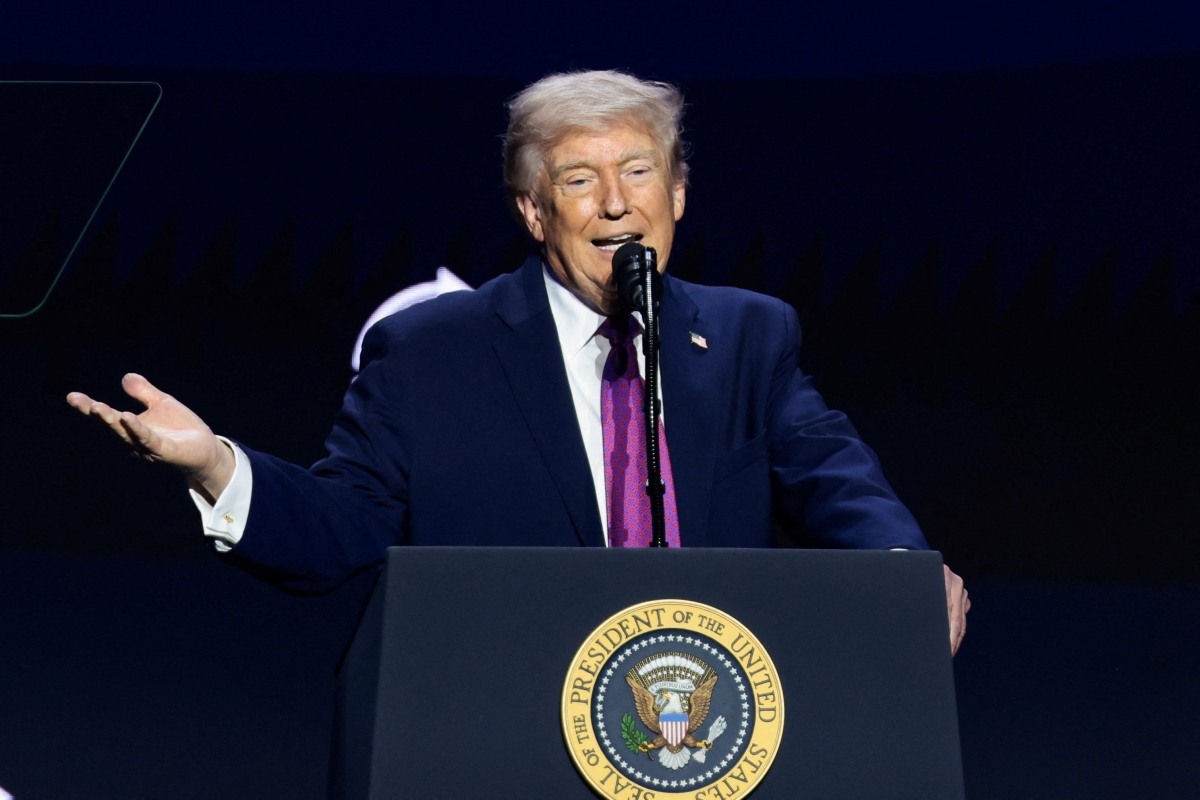
Conclusion: The Scoreboard Reflects the Long Game
The opening of the CAP portal at 8:00 a.m. this morning was a victory for institutional stability. It proved that even in an era of “unpredictable and chaotic” leadership, the architecture of the American republic remains capable of self-correction. For Canadian importers, exporters, and pension funds, the “ticking time bomb” of the 2025 tariffs has been defused by a 6–3 vote and a digital portal.
The chimes of history are sounding a note of caution for those who believe that “nostalgia” or “reaction” is a strategy. Canada played the long game, and as of today, the scoreboard reflects it. The trade war was built on an illegal foundation, and today, the demolition of that foundation has officially begun.