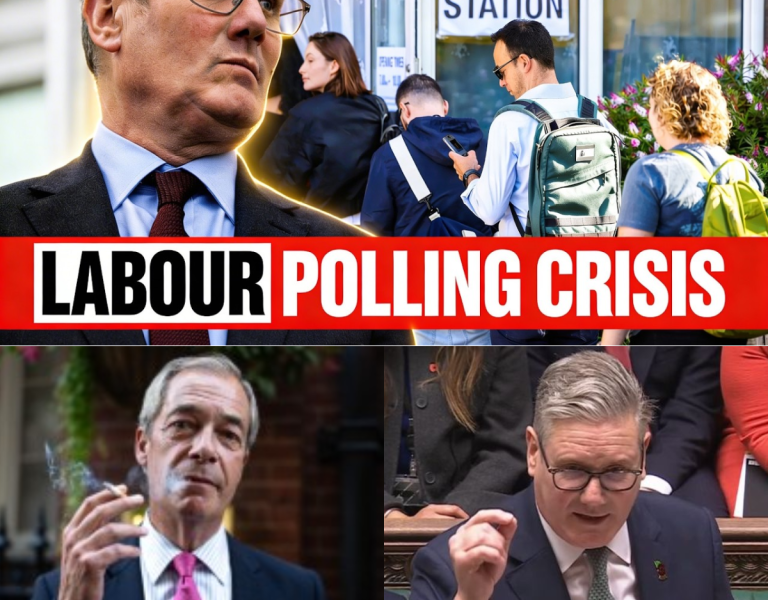
May 7 elections set to test Keir Starmer’s leadership amid cost-of-living pressures . n1

May 7 elections set to test Keir Starmer’s leadership amid cost-of-living pressures
With the cost-of-living crisis biting harder because of Middle East tensions, rising fuel and food prices, and voters asking the simple question Starmer himself set – “Do I feel better off?” – the answer for millions right now is no.
Local, devolved and council elections taking place across parts of the United Kingdom on 7 May 2026 are being viewed by many as far more significant than typical mid-term contests. In Scotland and Wales, the results could influence the long-term future of the Union, while in England the council elections are expected to serve as a major verdict on the performance of the Labour government less than two years after it took office.
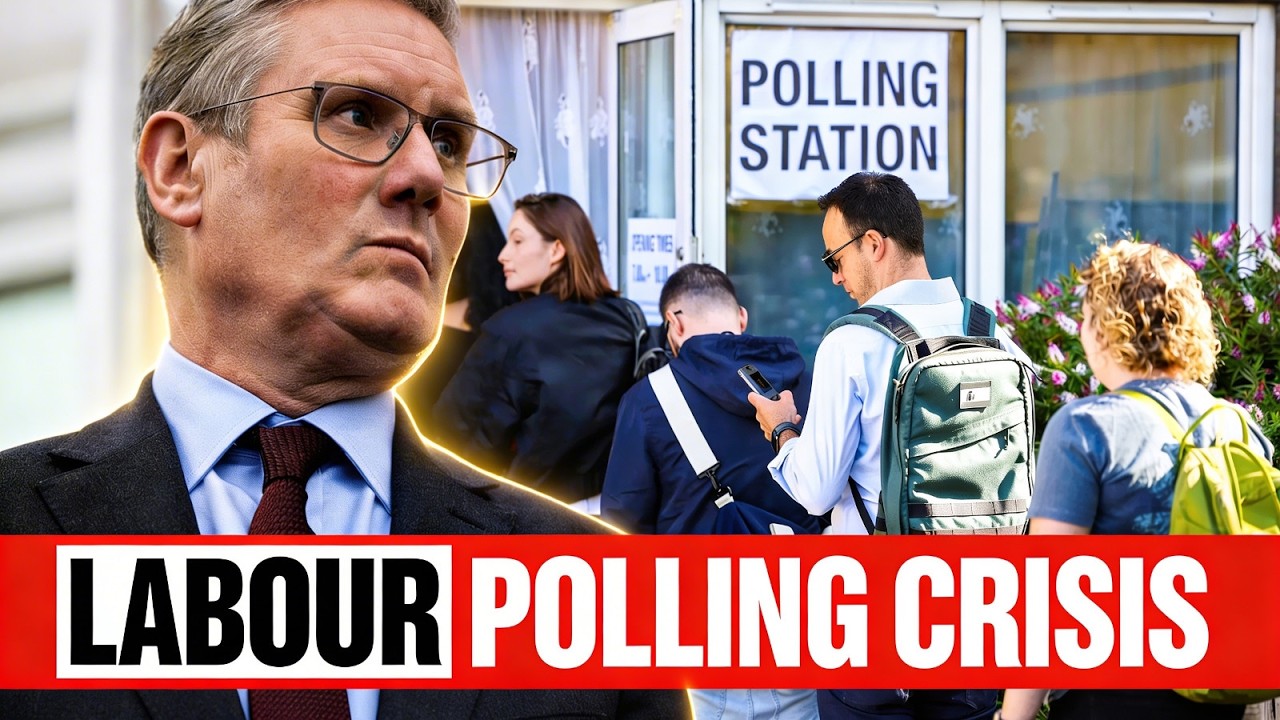
Prime Minister Keir Starmer has repeatedly stated that his government will ultimately be judged on whether people feel better off. In a widely circulated clip, he identified three key tests: living standards, the state of public services, particularly the NHS, and whether people feel safe in their neighbourhoods. The first of these – the simple question “Do I feel better off?” – is now at the centre of opposition campaigning.
Recent polling has shown a decline in Labour support and Starmer’s personal approval ratings since the party entered government. While polls can fluctuate, actual election results provide concrete evidence of voter sentiment. Opposition parties, particularly Reform UK, are framing the May contests as a direct opportunity to register dissatisfaction with the current administration.
The economic backdrop is challenging. The cost-of-living crisis, already acute, has been exacerbated by rising global energy prices linked to tensions in the Middle East. The RAC reported that the average price of unleaded petrol reached 157.71 pence per litre, up significantly since earlier in the year, while diesel climbed to 190.62 pence. These increases are felt immediately at the fuel pump and feed through into higher transport and food costs.
Fertiliser prices, heavily dependent on natural gas and energy, have also risen sharply. Sky News reporting highlighted that modern agriculture relies on nitrogen fertilisers derived from energy-intensive processes. Any sustained increase in energy costs can therefore push up food prices in supermarkets, compounding the pressure on household budgets.
A More in Common poll conducted in November 2025 found that 52 percent of Britons believed the UK was already in recession, compared with only 29 percent who did not, even before the latest Middle East escalation. This perception gap is politically significant. When voters feel worse off, they tend to hold the government of the day responsible, regardless of external factors.
Nigel Farage has announced that Reform UK will campaign under the slogan “Vote Reform, Get Starmer Out”, explicitly linking local results to the Prime Minister’s future. The party hopes to capitalise on widespread frustration with the cost of living, migration and public services.
For Labour, the timing is particularly difficult. The government has emphasised improvements in living standards as its central promise. If voters conclude they are not better off, the May results could deliver a damaging blow, weakening Starmer’s authority and emboldening opponents within and outside his party.

In Scotland and Wales the stakes are constitutional as well as political. Strong performances by nationalist parties could intensify debates about independence and further devolution, potentially accelerating centrifugal pressures on the United Kingdom.
The elections are therefore not merely about local councils or devolved assemblies. They are being interpreted as the first major national test of Keir Starmer’s premiership. The outcome will provide the clearest indication yet of whether the public believes the government is delivering on its core pledge to make people feel better off.
Whatever the precise results on 7 May, they are likely to shape the political landscape for the remainder of this Parliament and set the tone for future contests. The combination of economic pressure, voter perception and strategic opposition campaigning makes these elections unusually consequential for the direction of the country.