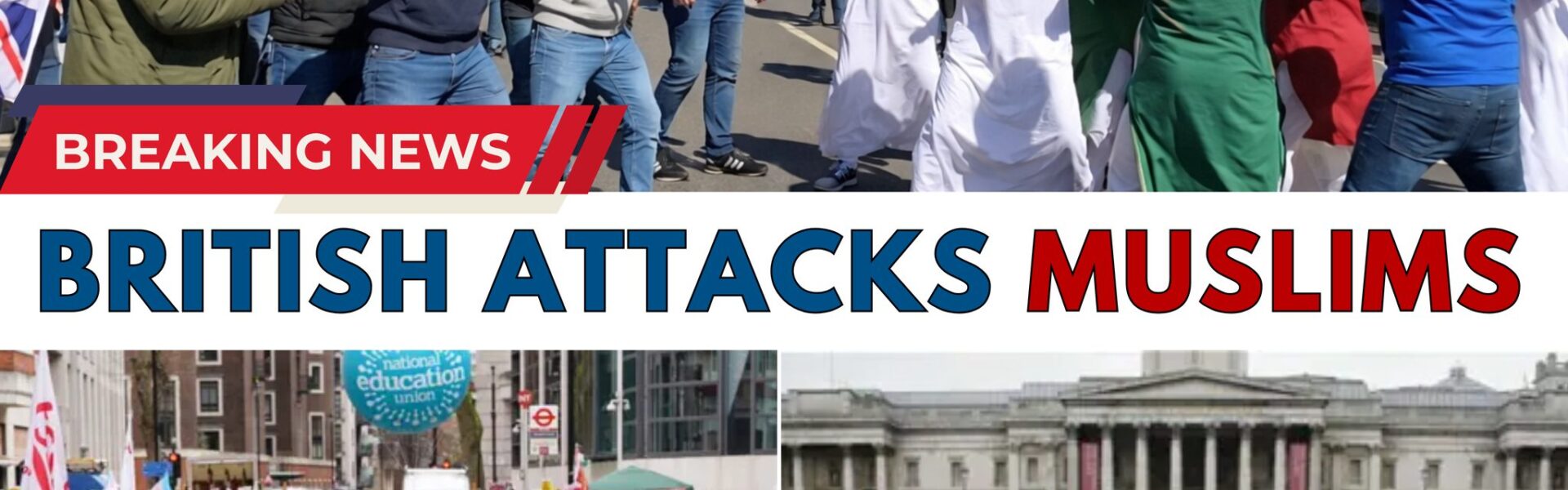
The Gorton and Denton Seismic Shift: When “Block Voting” Redraws the British Political Map. n1

The Gorton and Denton Seismic Shift: When “Block Voting” Redraws the British Political Map
MANCHESTER — The results of the Gorton and Denton by-election in early 2026 represent more than just a localized defeat for the Labour Party; they constitute a seismic shift shaking the very foundations of traditional British politics. The historic victory of the Green Party, which pushed Labour into a humiliating third place behind Reform UK, has sent an unmistakable message regarding demographic change and the profound polarization within Northern constituencies. In what was once a “red wall” stronghold, the rise of new voting blocs is raising fundamental questions about the future of national cohesion.
The crushing defeat of independent candidates like Nick Buckley—a local figure with an MBE and deep charitable roots—illustrates how individual merit is being overshadowed by waves of ideology and identity politics. Buckley, securing only around 150 votes, fell victim to a political landscape where the media spotlight focuses exclusively on major parties and “parachuted” candidates. It is a bitter reality: local knowledge and community dedication no longer guarantee success when voters begin to mobilize along specific interest groups and religious lines.
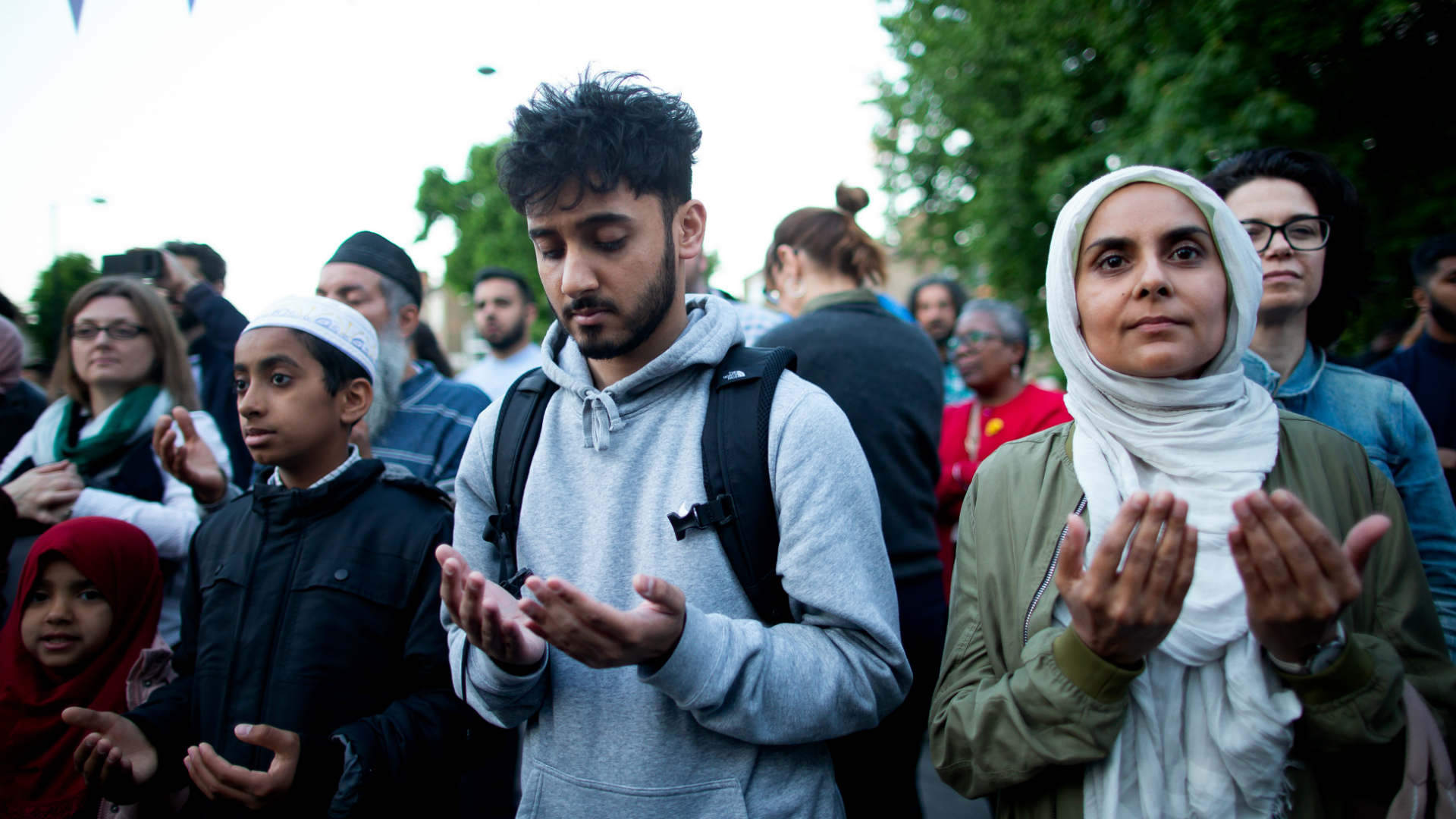
One of the most contentious aspects of this election involves reports from observers regarding “family voting”—a practice where individuals, often male relatives, influence or direct the votes of others within the polling booth. According to observers from Democracy Volunteers, this phenomenon was witnessed at 15 of the 22 polling stations visited. Such allegations have sparked outrage, with critics arguing that this constitutes illegal election interference that transforms a democratic process into a referendum on the will of patriarchal blocs rather than individual choice.
While authorities have been cautious in their assessments, the suspicion remains palpable among the local populace. For many, Gorton and Denton has become a laboratory showing how targeted campaigns—utilizing Urdu-language leaflets and focusing heavily on international issues like the conflict in Gaza—can overturn decades of political loyalty. The Green Party successfully tapped into the frustrations of the Muslim community regarding Labour’s foreign policy, transforming global grievances into a highly effective local mobilization tool.
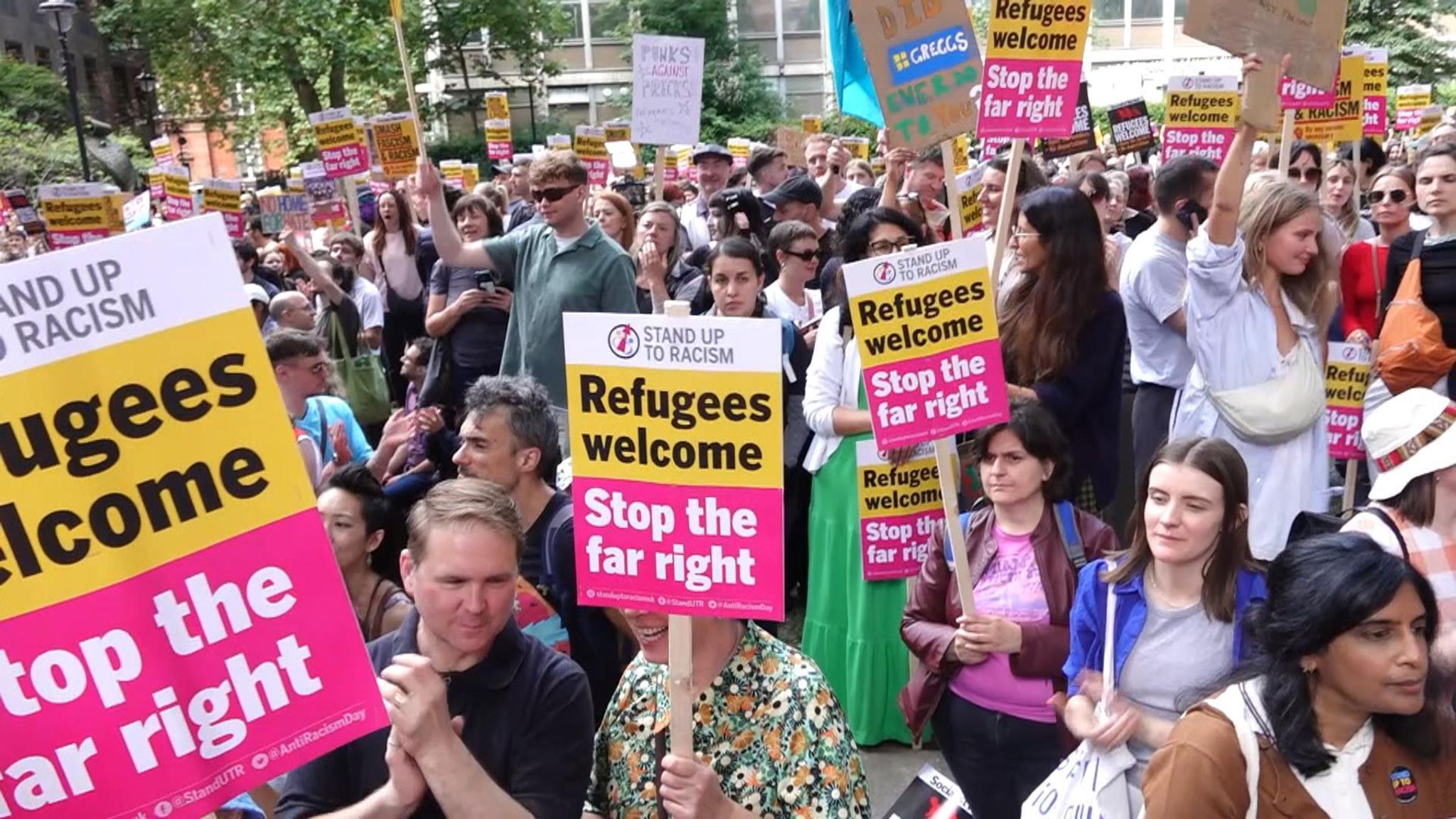
The tensions that flared on the streets during the campaign serve as a vivid illustration of the fractures within the multicultural model. Viral footage of confrontations, where local residents and activists clashed over national identity and “British values,” depicts a society experiencing profound growing pains. As mainstream politicians attempt to retreat to the “center ground” to avoid controversy, they risk ignoring the underlying friction that arises when different cultural expectations collide within the same electoral space.
Critics of the current trajectory argue that “multiculturalism” has shifted from a goal of integration to a reality of segregation. The rise of identity-based voting suggests that political parties are no longer competing on a platform of national interest, but are instead bartering for the support of specific demographic silos. This dynamic encourages politicians to pander to religious or ethnic sentiments, further isolating communities from a shared British political identity.
The presence of veteran activists like Jeremy Corbyn on the campaign trail further highlighted the leftward drift of these localized movements. For supporters, this represents a new form of grassroots empowerment for marginalized voices. For detractors, however, it is evidence of a “Red-Green alliance” that prioritizes international agendas and identity politics over the practical needs of the English working class. The result is a political environment where “coexistence” feels increasingly like a fragile truce.
One of the most pressing questions emerging from Gorton and Denton is why national politicians seem increasingly hesitant to speak specifically of “England” or English identity. There is a growing sense among the “silent majority” that their heritage and concerns are being sidelined in favor of newer, more vocal voting blocs. This perceived neglect has provided fertile ground for parties like Reform UK, which position themselves as the only defenders of traditional British common law and cultural sovereignty.

The by-election has also exposed the limitations of the “centrist” strategy pioneered by the Blair era. By trying to be everything to everyone, mainstream parties have left a vacuum that is being filled by more radical elements on both the left and the right. In Gorton and Denton, the far-left and sectarian interests proved that they could out-organize the establishment by focusing on high-density, high-motivation voting clusters.
Ultimately, the survival of a healthy democratic system in Britain depends on restoring the principle of “one person, one vote,” free from communal or familial pressure. If the patterns observed in Manchester become the new norm for Northern cities, the very concept of a unified national discourse may disappear. Reclaiming public trust will require more than just policy adjustments; it will require the political courage to enforce electoral laws strictly and to address the demographic realities that are reshaping the country.
As the dust settles on the Gorton and Denton result, the “Gorton model” stands as a warning to the Westminster establishment. The clean energy of a new political era is being fueled by identity, and if not managed with transparency and a firm commitment to national integration, it threatens to burn down the traditional structures of British governance. The silent majority is watching, and their frustration is beginning to find its voice in the streets.

The lesson for the future is clear: a country that cannot define its own identity or protect the integrity of its ballot box is a country in transition toward an uncertain destination. Whether Britain can bridge these gaps or whether Gorton and Denton is merely the first of many dominos to fall remains the defining question of 2026. For now, the “Winter Come Together” in the North looks less like a celebration of diversity and more like a struggle for the soul of the nation.