Heated Exchanges at London Assembly Highlight Tensions Over Policing Accountability and Resource Decisions. n1

Heated Exchanges at London Assembly Highlight Tensions Over Policing Accountability and Resource Decisions
London – A recent session of the London Assembly has drawn attention to ongoing debates about the governance of policing in the capital, with opposition members questioning Mayor Sadiq Khan on a range of issues including budget allocations for police services and responses to specific incidents affecting public confidence.
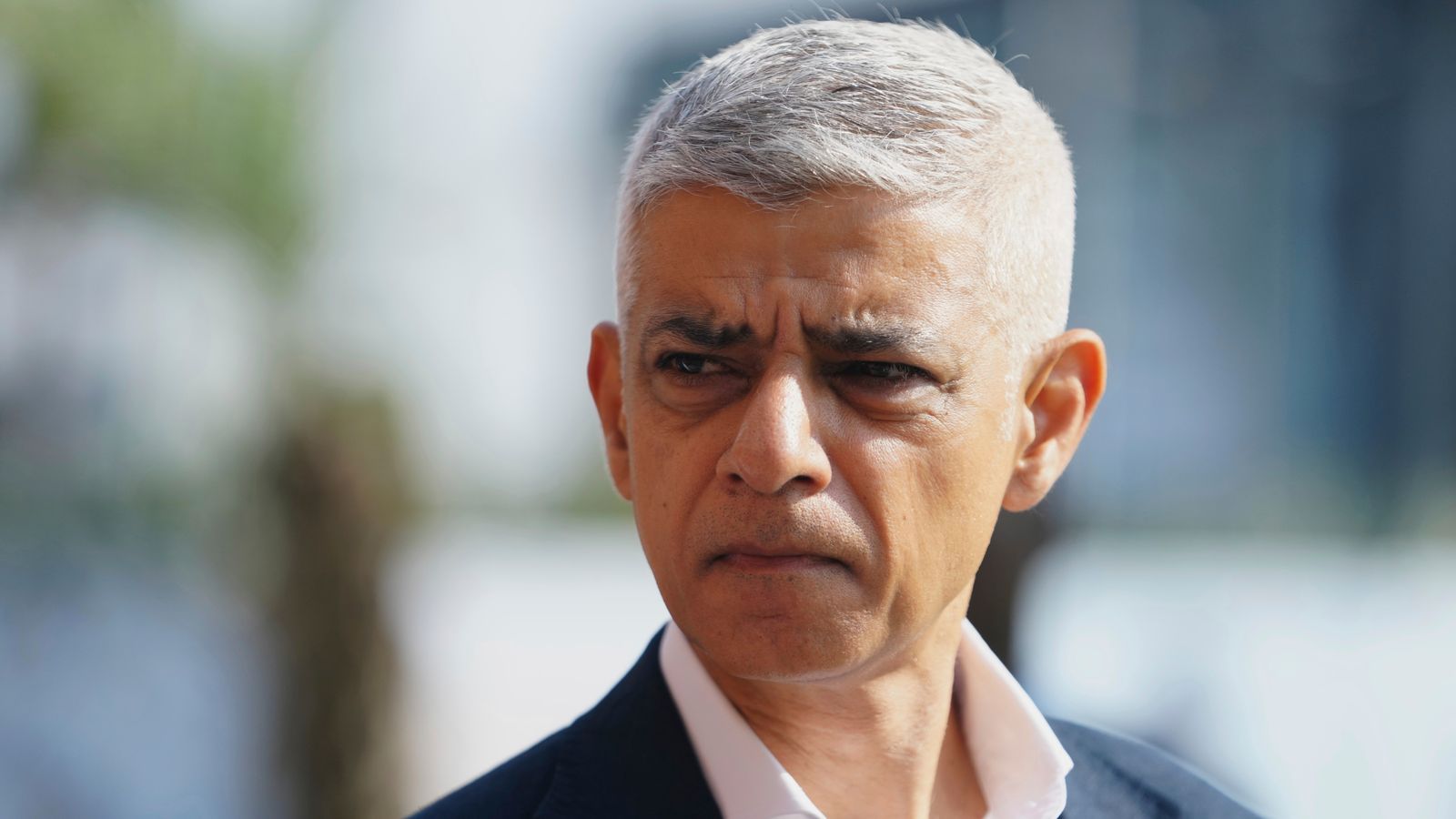
During the meeting, Conservative assembly members, including Susan Hall, sought direct responses from the Mayor on whether decisions related to police station operations and resource allocation were purely operational matters handled by the Metropolitan Police or involved political considerations at the mayoral level. Questions also touched on the handling of a reported theft of a mobile phone belonging to Morgan McSweeney, a former senior adviser to Prime Minister Keir Starmer, which occurred in central London in October last year.
The incident has attracted scrutiny because the device reportedly contained sensitive communications, including messages linked to Lord Peter Mandelson. The Metropolitan Police initially closed the investigation but later confirmed an administrative error in recording the location of the theft – from Belgrave Road in Pimlico, Westminster, to an incorrect address elsewhere. As a result, officers are now reassessing the case, including reviewing available CCTV footage.
In the assembly session, members pressed the Mayor, who also serves as the police and crime commissioner for London, for commitments on transparency. They asked whether he would ensure the publication of a full written account of events surrounding the phone theft once any police investigation concludes. Khan responded by stating that he would refer the raised issues to the Commissioner for an appropriate response and underlined the importance of allowing expert advice to guide processes rather than rushing to binary commitments during an active review.
The discussion also covered broader policing challenges, including efforts to address mobile phone thefts, which remain a notable concern in parts of London. Khan highlighted recent progress, noting a reduction of more than 10,000 such incidents in the past year, supported by additional funding of £4.5 million for a dedicated command unit, as well as investments in surveillance tools such as electric bikes and drones for police patrols. He reiterated the Mayor’s Office for Policing and Crime’s commitment to further reductions through sustained investment.
Opposition members expressed frustration over what they described as circular or non-direct responses to yes-or-no questions. One assembly member noted the difficulty in obtaining straightforward clarifications on policy matters, comparing it to patterns observed at national level. The tone of the exchange became noticeably sharper at points, with interruptions and points of order regarding perceived discourtesy toward assembly members on all sides.

Khan defended the approach, explaining that many policing decisions stem from operational assessments presented by the Commissioner, involving consultations with stakeholders including assembly members. He pointed to representations made by various members during budget planning processes for the 2026-27 financial year, which includes a record £1.26 billion allocation from City Hall for policing and crime prevention measures. This funding aims to maintain police officer numbers, enhance neighbourhood policing, and tackle specific crime types.
The session formed part of routine scrutiny of the Mayor’s responsibilities, including oversight of the Metropolitan Police Service’s budget and performance. The 2026-27 Greater London Authority budget, recently approved by the Assembly, incorporates increases in the Mayor’s council tax precept to support policing, alongside efficiencies and savings targets. Discussions also referenced the need to balance resources amid competing demands, such as policing major events and addressing street-level crimes that affect businesses and residents.
Public safety remains a central theme in London politics. Reports of repeated targeting of shops and businesses due to resource constraints have contributed to a sense of unease in some communities. At the same time, authorities point to targeted initiatives, including crackdowns on phone theft networks that can fund wider criminal activity, and community engagement programmes designed to prevent escalation.
The phone theft case has added a layer of complexity because of its potential links to ongoing political matters at national level, including the release of communications related to appointments and vetting processes. While Downing Street has described suggestions of any cover-up as “far-fetched,” the administrative error by police in logging the incident has prompted renewed examination. The Met has released a transcript of the 999 call made by McSweeney to underscore that the report was handled as a standard theft at the time, without initial awareness of the device’s sensitive contents.
Experts in urban governance note that such assembly sessions serve an important democratic function by allowing elected representatives to hold the executive to account on operational delivery and policy direction. However, they also highlight the inherent tension between the need for detailed, evidence-based responses and the demand for immediate, unambiguous statements in public forums.
In response to questions about responsibility for keeping individual police stations open, Khan reiterated that tough budgetary choices are presented by the Commissioner as operational matters, though stakeholder input, including from assembly members, is actively sought. He avoided characterising any specific member’s contributions negatively, and the chair intervened to maintain order when exchanges risked becoming overly personal.
Looking ahead, the reassessment of the phone theft investigation may provide further clarity on the sequence of events and any recoverable evidence. Assembly members have indicated they will continue to monitor progress and seek updates in future sessions. The broader debate on policing resources is likely to persist as London prepares for the implementation of its 2026-27 budget, with emphasis on both preventive measures and effective response capabilities.
The incident and the assembly exchange reflect wider questions about transparency and accountability in metropolitan governance. As London navigates challenges ranging from everyday street crime to high-profile incidents, the effectiveness of oversight mechanisms will remain under examination. For residents and businesses alike, the focus stays on tangible improvements in safety and responsiveness from public institutions.
Analysts suggest that sustained dialogue between the Mayor’s office, the Assembly, and the Metropolitan Police will be essential to address these issues constructively. Whether through additional funding commitments, procedural reviews, or enhanced data sharing on crime trends, the coming months are expected to test the robustness of current arrangements.
In the meantime, the London Assembly continues its regular scrutiny role, ensuring that questions on public safety and resource allocation receive due attention within the framework of democratic oversight.