600 Dead or Missing in Two Months: Mediterranean Marks Deadliest Start to Year in a Decade. n1

600 Dead or Missing in Two Months: Mediterranean Marks Deadliest Start to Year in a Decade
GENEVA — The Central Mediterranean has claimed another 600 souls since the new year turned, marking the deadliest first quarter for migrant crossings in over a decade. The International Organization for Migration (IOM) confirmed on Tuesday that at least 612 people are now confirmed dead or missing since January 1 — a grim milestone that has reduced European policymakers to familiar, hollow rituals of condolence.
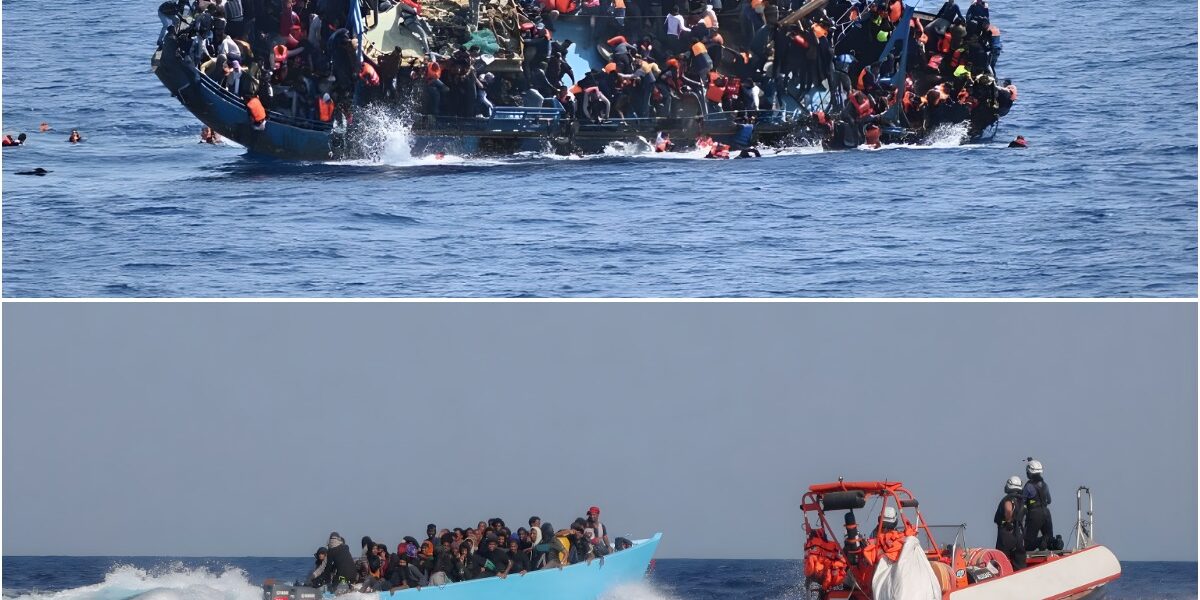
The latest catastrophe unfolded 75 nautical miles off the coast of Crete. A rickety steel trawler, which departed from eastern Libya on Feb. 28, capsized in winter swells before dawn. Survivors — just 11 according to Greek coast guard accounts — clung to a single orange life ring for nine hours. The rest, estimated at 49 souls, vanished into water barely above freezing.
Among the lost is a family of six from Sudan’s West Darfur region. Relatives in Hamburg, reached by telephone, sobbed through a translator. “They paid $4,000 each. Four thousand dollars for a coffin without a body,” said Ahmed El-Tayeb, 41, a mechanic whose brother, sister-in-law, and four nieces are presumed dead. “The smuggler promised a Greek flag. He delivered a grave.”
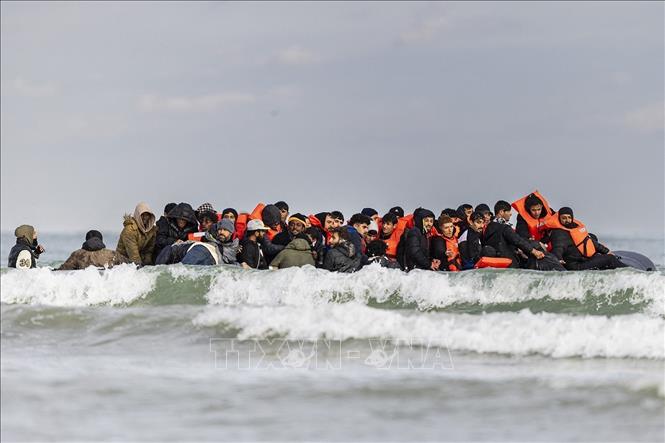
The IOM’s missing migrants project has tracked 31,000 deaths on Mediterranean routes since 2014. But the pace in early 2026 has stunned even seasoned observers. “We have not seen a start like this since the height of the Syrian war,” said Flavio Di Giacomo, IOM’s Mediterranean spokesperson. “Winter crossings used to be rare. Now they are routine. And routine deaths have become acceptable. That is the true horror.”
Why the sudden spike? Three factors emerge from interviews with smugglers, survivors, and European coast guard officials. First, Tunisia’s intensified crackdown on sub-Saharan African migrants has pushed embarkation points back toward lawless eastern Libya — a longer, deadlier route. Second, aging European search-and-rescue assets have not kept pace with larger, more unseaworthy vessels. Third, winter weather no longer deters desperation.
“The smugglers told us, ‘Go now or never. Europe is closing forever,’” said Koffi Anan (no relation to the former UN chief), 28, a survivor from Ivory Coast now in a reception center outside Athens. “We knew the water was cold. But cold water is better than hot bullets in Libya.”
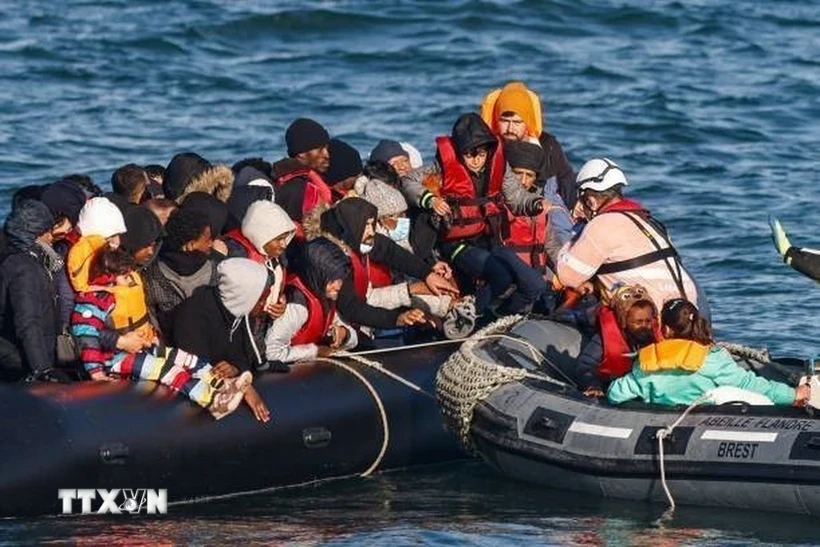
Rescue capacity remains the most contested ground. The EU’s Operation Themis currently deploys five vessels to patrol a sea area larger than Italy. Médecins Sans Frontières has suspended its private rescue missions after Italy’s new port denial law imposed fines of up to €1 million per disembarkation. “We are watching people drown from the shore,” said MSF’s operations chief, speaking on condition of anonymity. “That is a policy choice.”
Smuggling networks, meanwhile, operate with near-total impunity. Libyan ports under the control of competing militias serve as unregulated departure hubs. A single Telegram channel reviewed by this newspaper openly advertises “winter specials” — €850 per berth, “no life jacket included.” Europol has made just 12 smuggling-related arrests in 2026. None were kingpins.
The political pressure is mounting asymmetrically. Southern EU states — Italy, Greece, Malta — demand mandatory migrant redistribution as the price of continued rescue operations. Northern states, led by Hungary and Austria, counter with proposals for offshore processing centers in Rwanda or Albania. The European Commission, trapped between humanitarian law and rising far-right polling, offers more “dialogues” and fewer boats.
Human rights groups are no longer appealing to compassion. They are appealing to arithmetic. “Every €1 million spent on pushbacks yields 40 more deaths,” said Judith Sunderland of Human Rights Watch. “Every €1 million spent on dedicated search-and-rescue saves 120 lives. The math is not complicated. The politics are.”
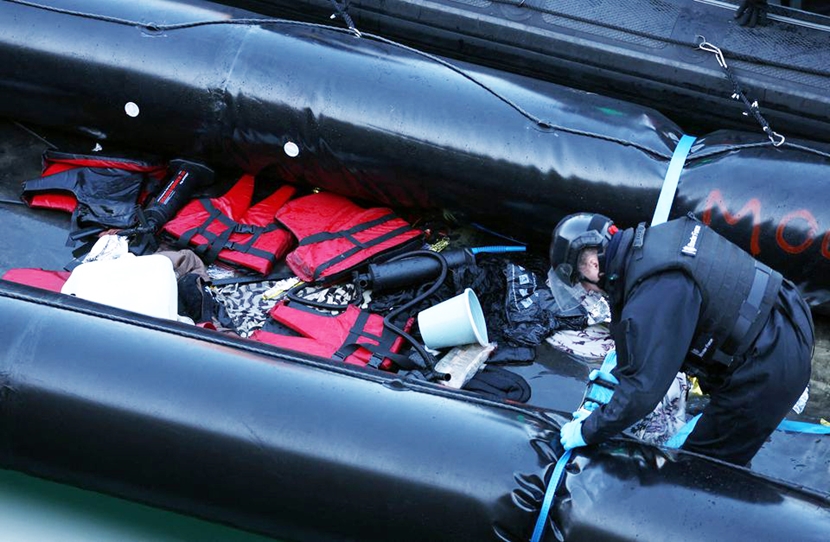
For the families waiting, math offers no comfort. In a cramped apartment in Berlin-Neukölln, Fatima Al-Mansouri, 34, refreshes a Greek coast guard website every 12 minutes. Her husband and three children left Tripoli on Feb. 27. She chose to stay behind to sell the family car. “I am a widow now,” she says. “But I cannot mourn until I know. And I may never know.”
As dusk fell over the Cretan Sea on Tuesday, a Greek frigate recovered a single child’s shoe. The search for 38 remaining missing persons was called off at 7 p.m. due to worsening weather. A diplomat in Brussels, speaking privately, summarized the European response: “We will issue a statement. We will lower a flag. Then we will wait for the next boat.”
The question — compassion or control — may be a false binary. What Europe is perfecting is neither rescue nor deterrence. It is a managed tragedy: just enough surveillance to document the drowning, just enough indifference to ensure it continues. Six hundred in two months. The deadliest start in a decade. And the water, indifferent as ever, keeps taking.